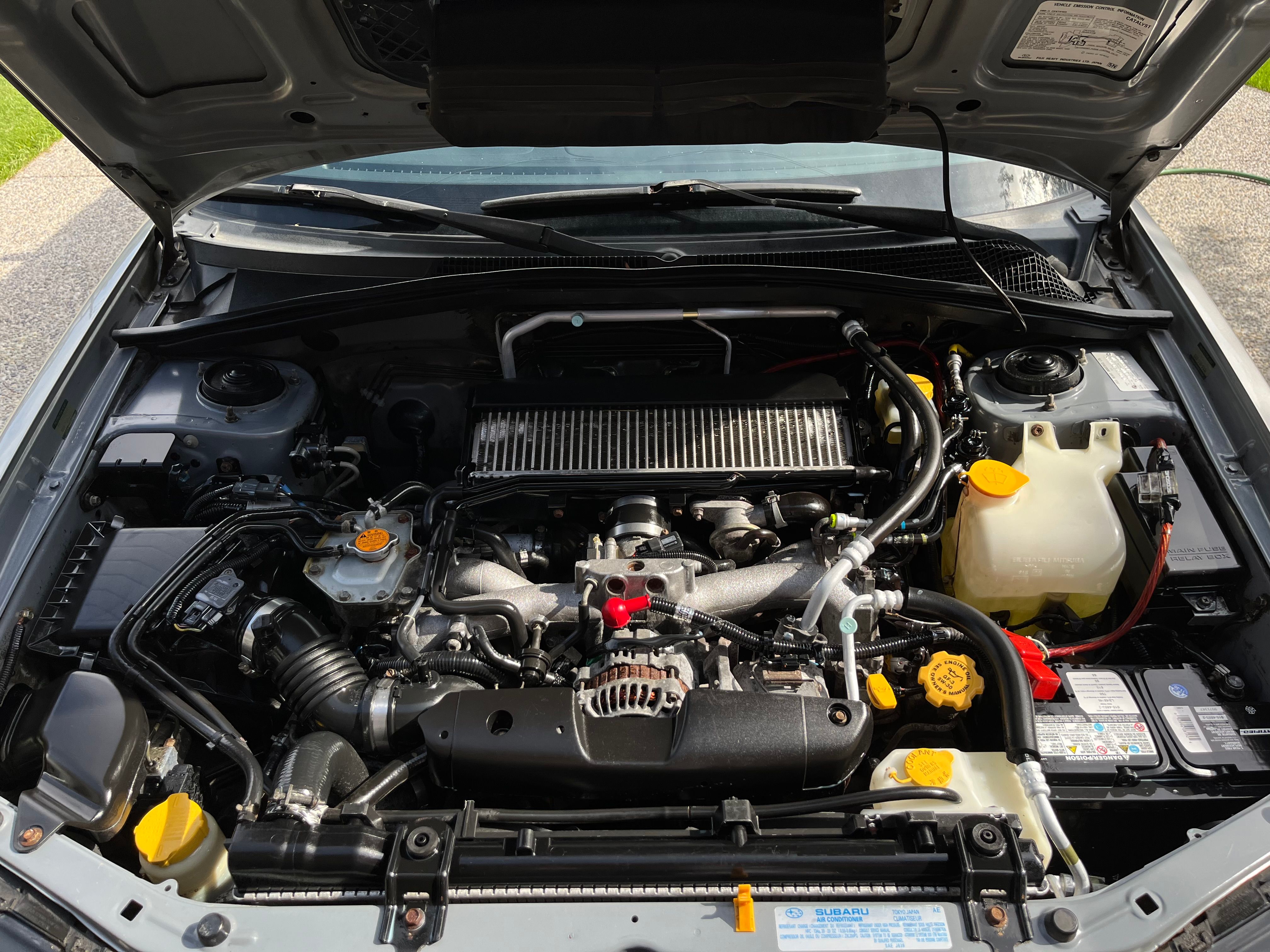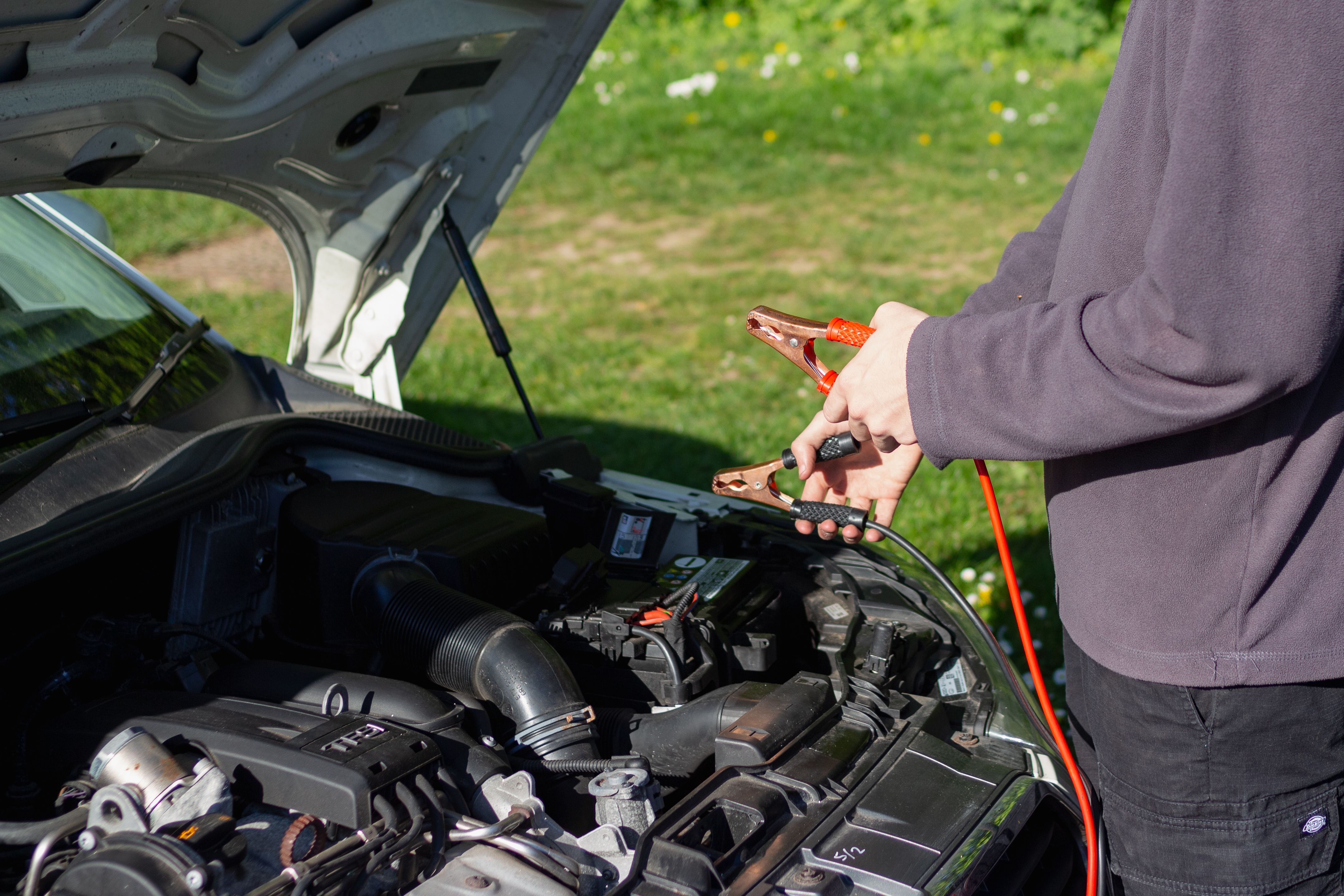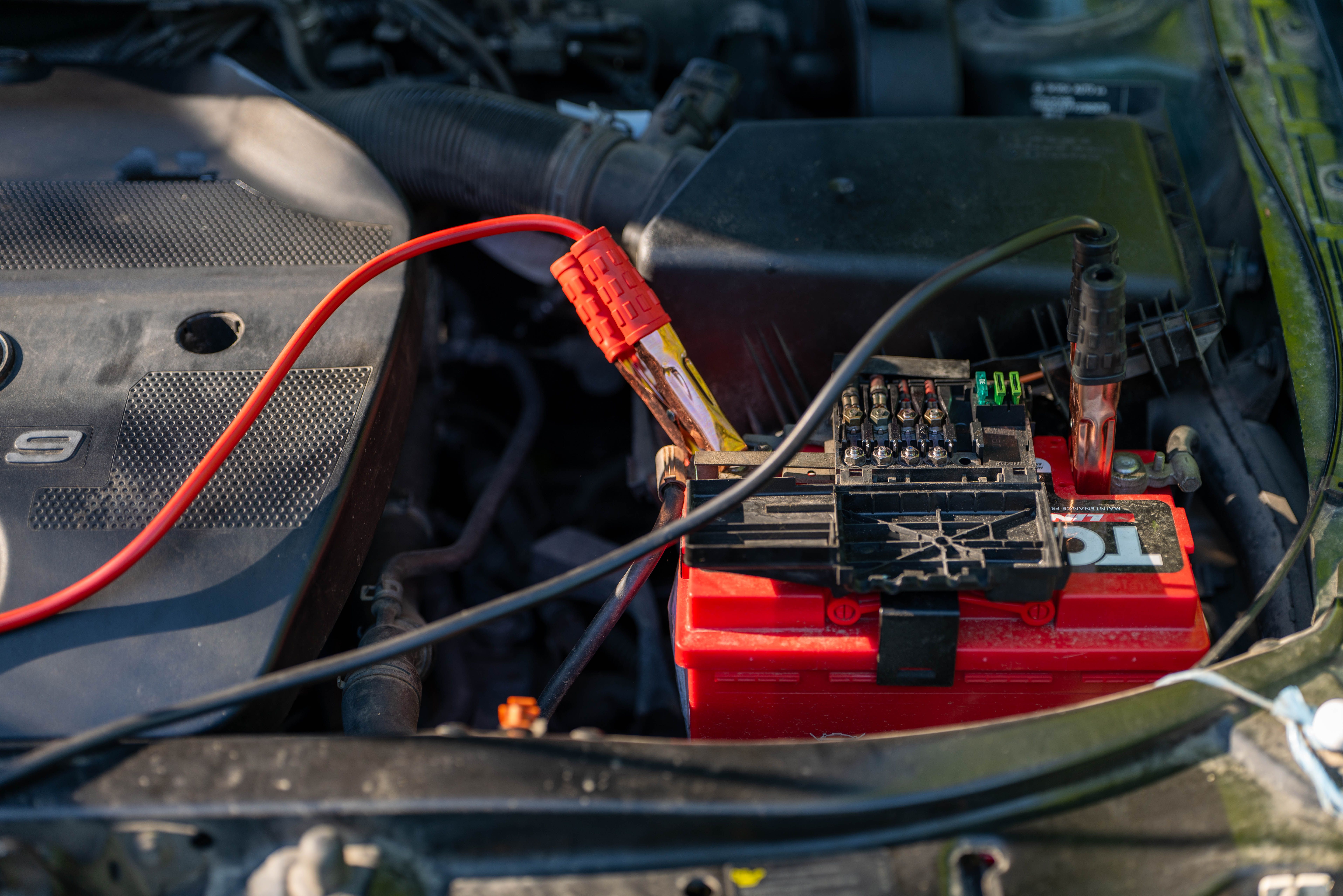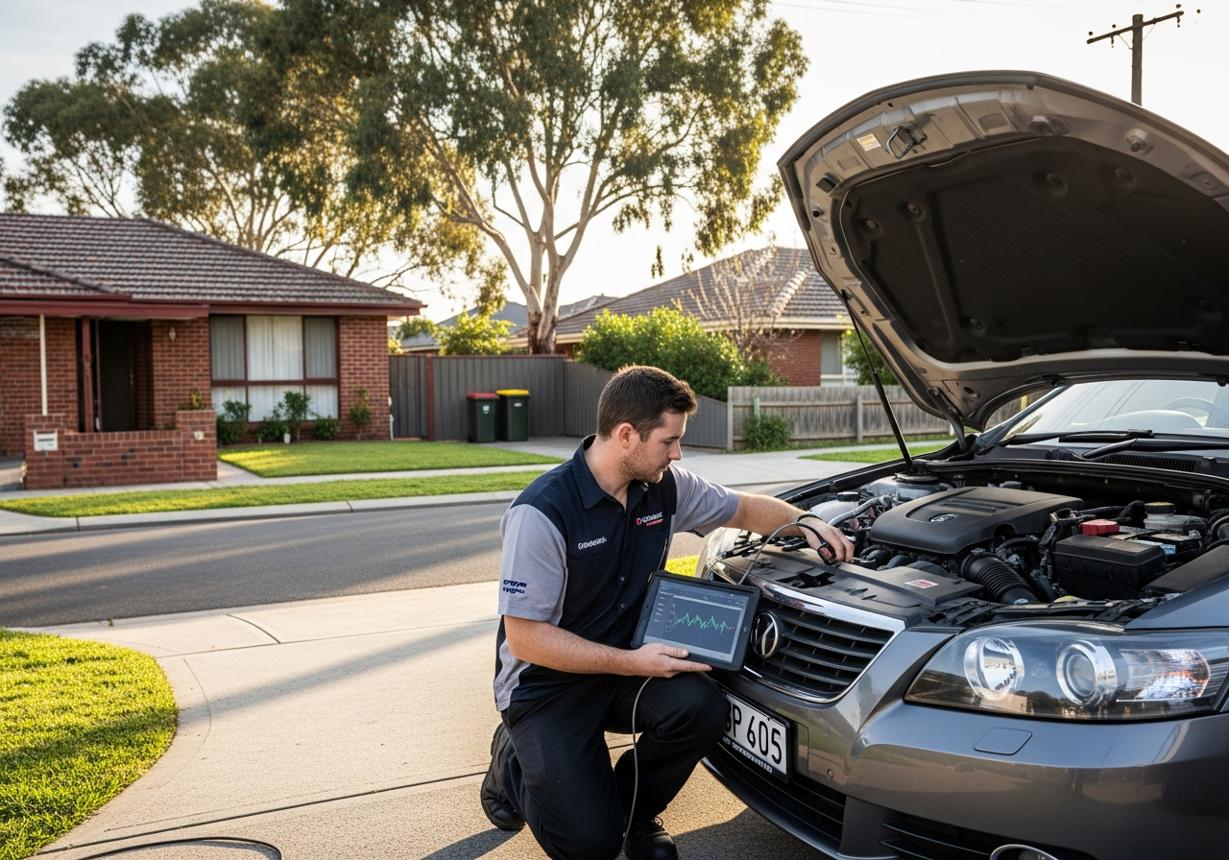
If your car starts and then dies straight away, the cause may be related to fuel delivery, engine management, an immobiliser, an electrical supply issue or—depending on the symptoms—a battery or charging fault. The timing matters: a stall immediately after starting is not automatically proof that the battery needs replacing.
If the car stalls in traffic, move to a safe location if possible, use hazard lights when appropriate and follow local road-safety guidance. Do not repeatedly crank the engine if you notice smoke, a strong fuel smell, overheating or unusual mechanical noise.
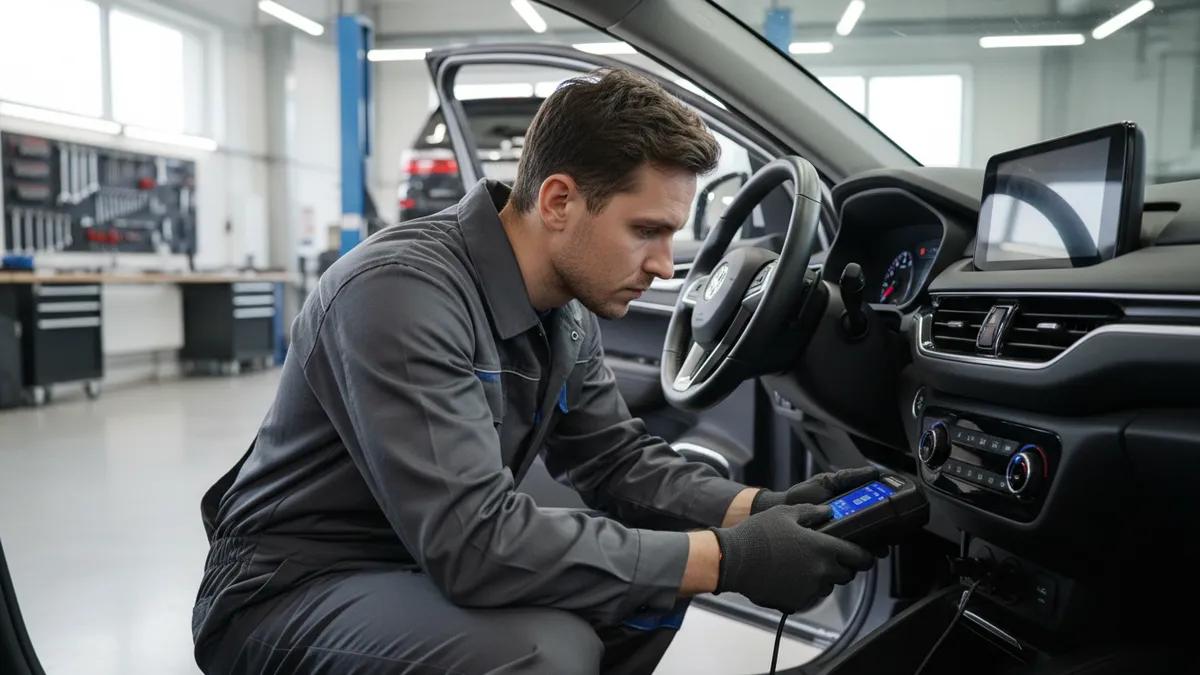
Quick guide: what the symptoms may suggest
| Symptom | Possible area to investigate | Useful next step |
|---|---|---|
| Engine starts, then stops within seconds | Fuel delivery, engine management or immobiliser-related issue | Note warning lights and whether it happens every time |
| Starts after a jump-start, then dies again | Charging, connection or another engine-running fault | Test battery and charging system; diagnose the stall separately |
| Engine cranks slowly before starting | Low battery charge, battery wear or poor connections | Battery and terminal checks |
| Engine runs but stalls when electrical loads are switched on | Possible voltage or charging issue, among other causes | Professional electrical and charging-system diagnosis |
| Security/key warning appears | Key recognition or immobiliser system may be involved | Follow the owner’s manual and try the approved spare-key procedure if available |
| Rough running, misfire or fuel smell | Engine, fuel or ignition-related fault | Stop if unsafe and arrange mechanical diagnosis |
Could the battery be responsible?
A weak battery can cause slow cranking, low-voltage symptoms or difficulty starting. Poor battery connections can also interrupt electrical supply. However, once the engine is running, a stall can have many causes unrelated to the battery itself. A battery test is useful when cranking is slow, the dashboard resets, the vehicle needs repeated jump-starts or the battery is known to be old.
If the vehicle started only after a jump-start, do not assume that the jump-start fixed the problem. The battery may still be discharged, the charging system may not be replenishing it, or a separate engine fault may be present.
Could the alternator or charging system be involved?
A charging-system fault can leave the battery undercharged and may cause electrical problems while the engine runs. A battery warning light, dimming lights or multiple electrical warnings can make charging checks especially relevant. But an alternator fault cannot be confirmed from a stall alone; the vehicle needs appropriate testing.
See our guide to battery or alternator problems and what a battery warning light while driving means.
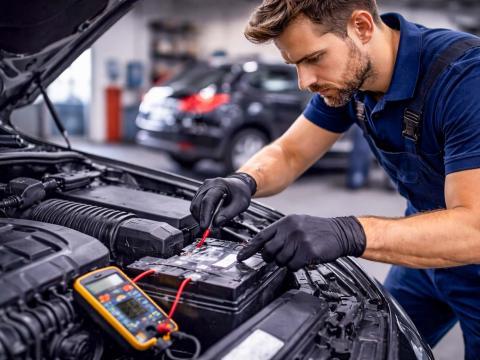
Other reasons a car may start and then stop
| Possible cause | Clues to record | Why diagnosis matters |
|---|---|---|
| Fuel delivery issue | Long cranking, sputtering, recent refuelling or fuel-related warning signs | Fuel system checks may be needed; avoid opening fuel lines yourself |
| Immobiliser or key recognition | Security symbol, key message or difference between keys | Follow the vehicle’s approved key procedure and seek diagnosis if persistent |
| Sensor or engine-management fault | Warning lights, rough idle or stored fault codes | Diagnostic scan and vehicle-specific testing may be required |
| Air intake or idle-control problem | Engine stalls at idle or runs unevenly | Mechanical inspection and appropriate testing |
| Loose electrical connection | Intermittent power loss, dashboard resets or recent repair work | Inspect connections and wiring safely |
| Charging system fault | Battery warning light, dimming lights or low-voltage symptoms | Test charging performance along with battery condition |
Safe observations you can make
Notice whether the engine stops immediately, after a few seconds, or only when you press the accelerator or select a gear.
Record dashboard warning lights or messages before and after the stall.
Note whether the engine cranks strongly or slowly and whether the issue began after a battery change, repair or accessory installation.
If a security warning appears, consult the vehicle manual for the approved key or immobiliser procedure.
Avoid repeatedly restarting the vehicle if it stalls in an unsafe place or shows signs of a serious fault.
What tests might a technician perform?
| Diagnostic check | What it can help assess |
|---|---|
| Battery state-of-charge and health | Whether the battery is charged and capable of starting the vehicle |
| Charging-system test | Whether the battery is being replenished as intended |
| Fault-code scan and live data | Relevant engine-management or electrical faults, where supported |
| Fuel and ignition checks | Whether the engine is receiving what it needs to keep running |
| Key/immobiliser diagnosis | Whether the vehicle is recognising the authorised key |
| Connection and wiring inspection | Loose, corroded or damaged connections that may interrupt supply |
The right diagnostic path depends on make, model, engine type and fault pattern. Battery service providers can help assess battery-related causes, but fuel, immobiliser or engine-management faults may require a qualified mechanic or auto electrician.
Car battery help in Melbourne West
If slow cranking, a flat battery or repeated jump-starts are part of the problem, Car Battery Service can discuss battery testing, battery replacement and jump-start assistance, subject to vehicle, location and availability. See our service areas or request a service.
Call +61 467 037 886 or email mechanicnearyoubatteries@gmail.com. Describe how quickly the engine stops and any warning lights. If the fault appears unrelated to the battery, ask for the appropriate mechanical or electrical diagnosis.
Frequently asked questions
Why does my car start and then die immediately?
Possible causes include fuel delivery, engine-management, immobiliser, electrical-supply or charging issues. The exact timing, warning lights and cranking behaviour help narrow the possibilities.
Can a weak battery make a car start then stall?
A weak battery or poor connection can cause starting and voltage problems, but a stall after starting has many other possible causes. Test the battery when symptoms point to it and diagnose the engine stall separately.
My car dies after a jump-start. Is the alternator bad?
Not necessarily. A charging fault is one possibility, but the battery, connections or an unrelated engine-running problem may also be involved. Testing is needed before replacing parts.
Should I keep trying to start the car?
Avoid repeated attempts if it stalls in an unsafe location or you notice smoke, overheating, strong fuel smell or unusual noise. Move to safety and arrange appropriate assistance.
Can an immobiliser make the engine stop after starting?
Some security or key-recognition faults can prevent normal operation, depending on the vehicle. Check the owner’s manual and seek diagnosis if the security warning persists.
Who should diagnose this problem?
Battery and charging checks can address battery-related causes. If the issue involves fuel delivery, engine management, ignition or immobiliser systems, a qualified mechanic or auto electrician may be needed.
Final takeaway
A car that starts and then dies needs symptom-led diagnosis rather than an automatic battery replacement. Record when it stalls, note warning lights and arrange battery/charging checks when indicated, with mechanical diagnosis for other possible causes.
This article provides general information only. Diagnosis varies by vehicle; follow the owner’s manual and seek qualified assistance when uncertain.