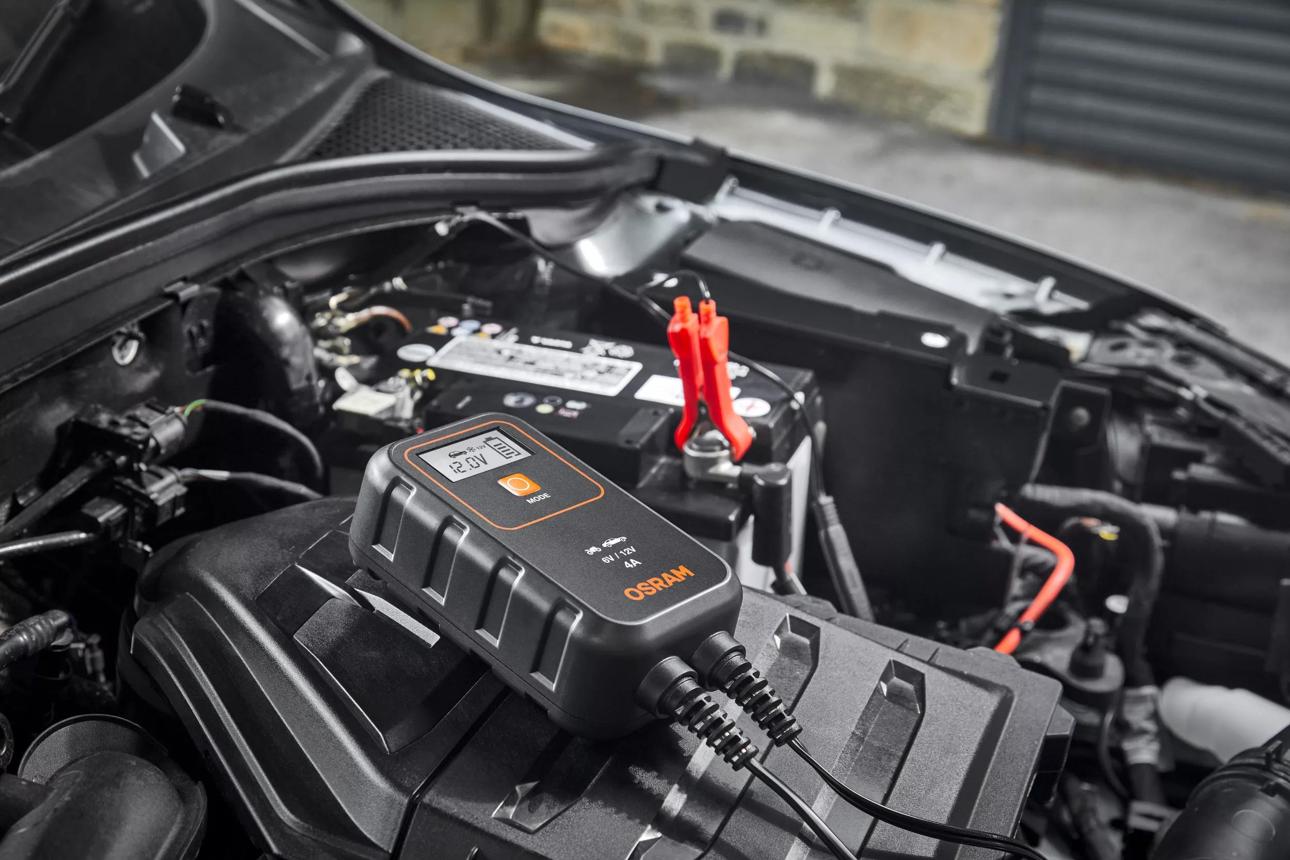
Yes, a flat car battery can sometimes be recharged, but it depends on why it went flat, how deeply it discharged, its age and condition, and whether the vehicle’s charging system is working properly. A battery that accepts charge is not automatically healthy; it may still lack the capacity to start the car reliably.
Do not attempt to charge or jump-start a battery that is swollen, leaking, frozen, cracked or visibly damaged. Keep away from sparks and flames, follow the battery and charger instructions, and seek qualified help if you are unsure.
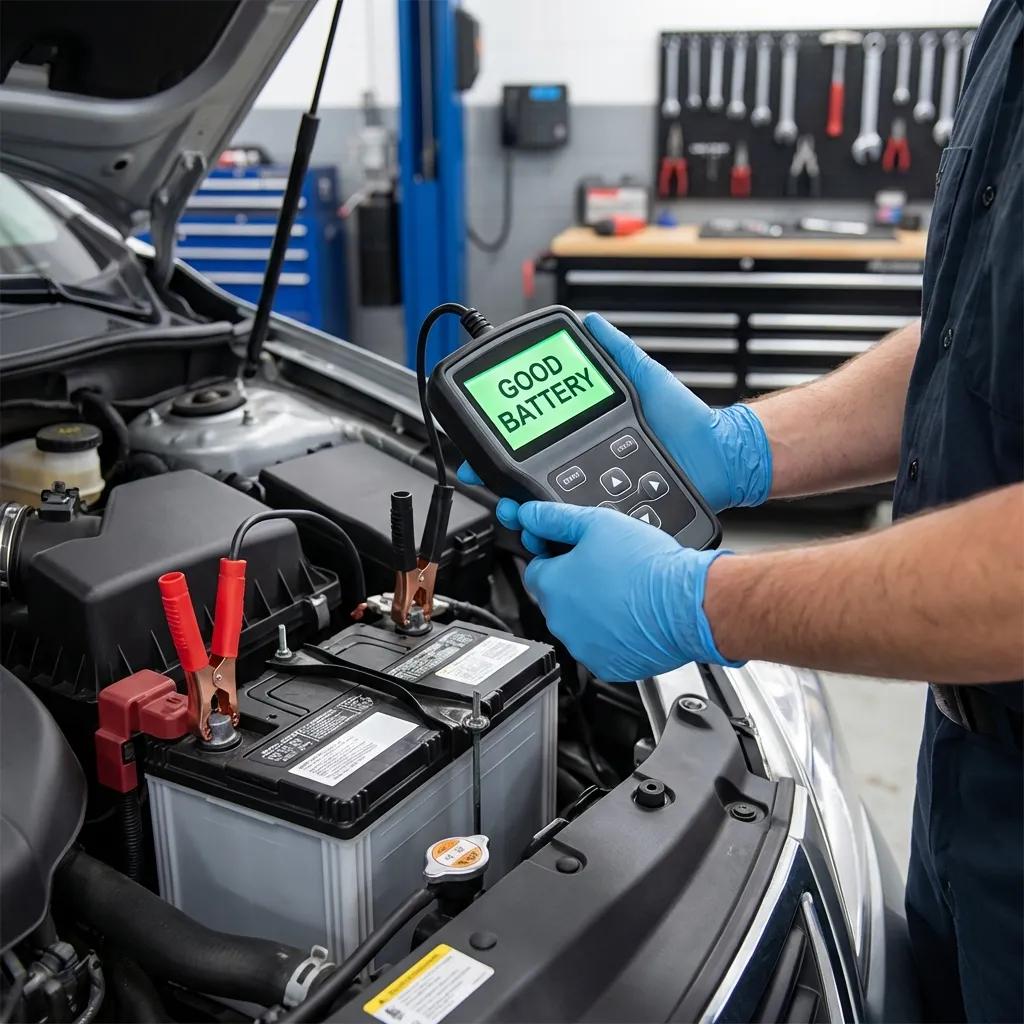
Rechargeable, damaged or simply discharged?
| Situation | Can charging help? | What to do next |
|---|---|---|
| Lights were left on and battery is otherwise healthy | Often, a suitable recharge may restore charge | Charge using the correct procedure, then assess battery condition if needed |
| Battery repeatedly goes flat overnight | Charging may help temporarily but will not fix the cause | Test battery, charging system and possible parasitic drain |
| Old battery struggles to hold charge | It may accept charge but still fail under starting load | Arrange a battery health test and replace if it fails |
| Battery case is swollen, cracked, leaking or frozen | Do not attempt charging | Keep clear and seek professional assistance |
| New battery goes flat repeatedly | Recharge may restore temporary charge | Investigate charging, connections and electrical draw |
What is the difference between charging and jump-starting?
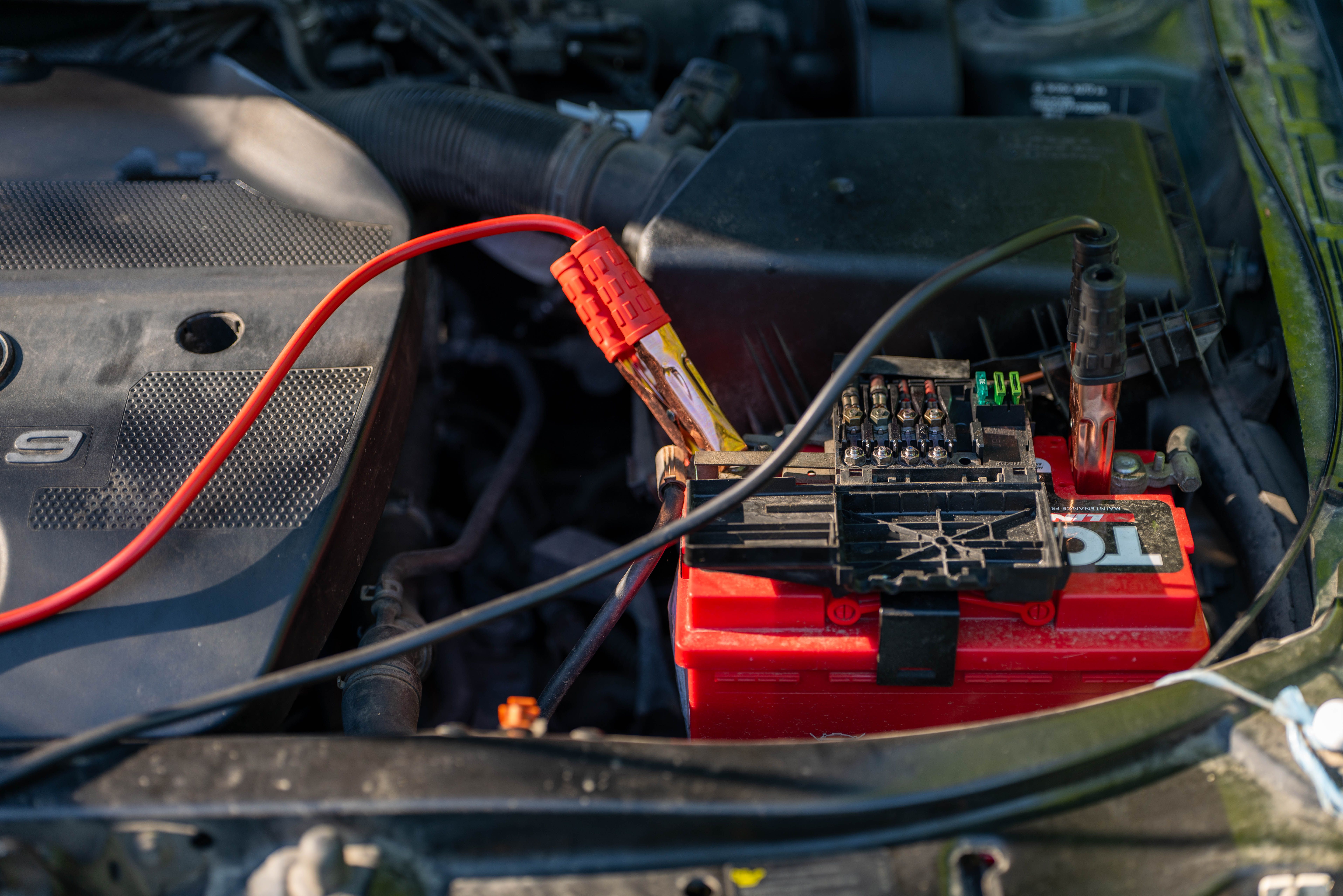
Charging uses a suitable battery charger to put energy back into the battery over time. A jump-start uses another battery or a jump starter to provide enough power to start the vehicle. Jump-starting does not necessarily fully recharge the battery and does not diagnose why it discharged.
| Method | Main purpose | Important limitation |
|---|---|---|
| Battery charger | Recharge a compatible battery according to its chemistry and condition | Must match the battery type and follow manufacturer instructions |
| Jump starter or jumper leads | Help a vehicle start when the battery is discharged | Does not prove the battery is healthy or fix a drain/charging fault |
| Professional battery test | Assess charge and starting capability | May need a suitable charge before some health tests are conclusive |
For safe procedures, read our guide to how to jump-start a car safely. Always follow your vehicle manual, especially for hybrids, start-stop vehicles and cars with sensitive electronics.
How long does a flat car battery take to charge?
There is no single charging time. It depends on battery capacity, how discharged it is, charger output, battery condition, temperature and the vehicle or battery manufacturer’s guidance. A small maintainer and a higher-output smart charger will behave differently, and some chargers reduce current as the battery approaches full charge.
A deeply discharged or damaged battery may not accept charge normally. Do not leave a battery charging unattended unless the equipment instructions explicitly permit it, and do not use an unsuitable charger or improvised connections.
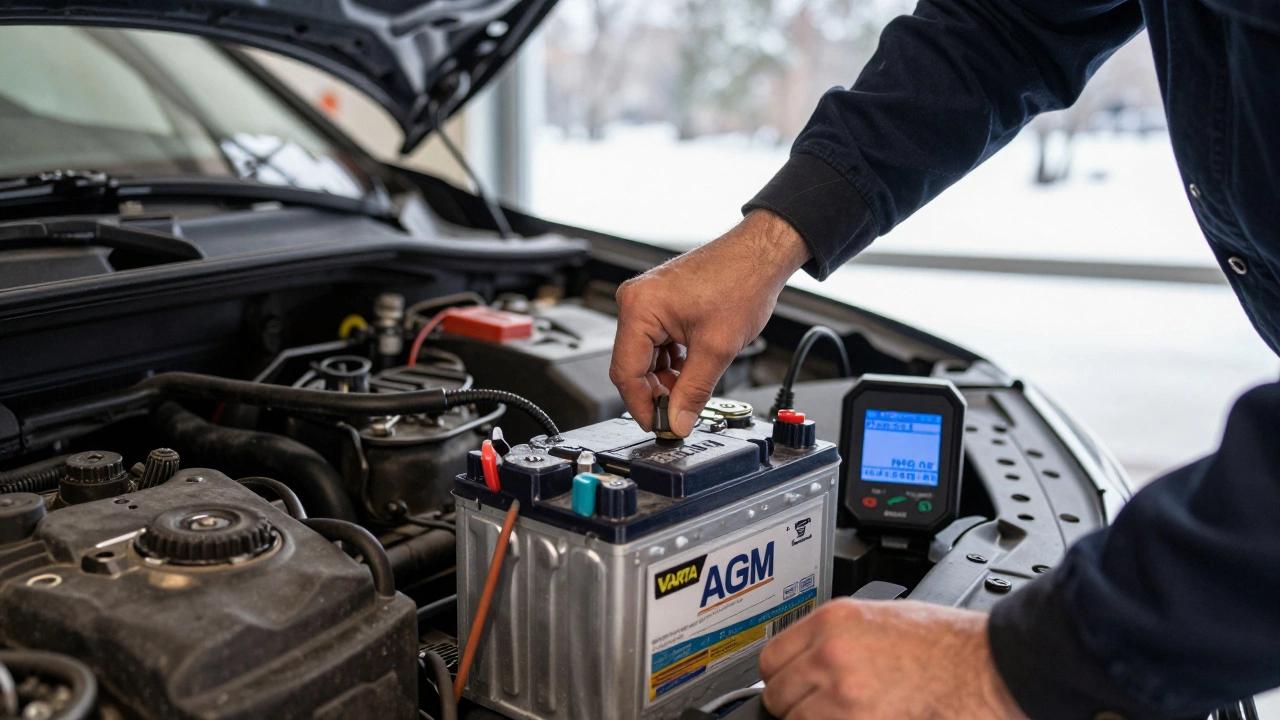
Why might a battery fail to recharge or hold charge?
| Possible cause | Typical clue | Next step |
|---|---|---|
| Age-related wear | Slow starts and recurring low charge | Battery health test |
| Parasitic drain | Battery loses charge while parked | Current-draw diagnosis after vehicle modules sleep |
| Charging-system problem | Battery discharges again after driving or warning light appears | Test charging output and related components |
| Poor terminals or cables | Intermittent starting or corrosion | Safe inspection and connection testing |
| Repeated deep discharge | Battery has been left flat multiple times | Assess battery condition; capacity may have been reduced |
If the battery repeatedly goes flat overnight, read common causes of overnight battery drain. If you see a warning light while driving, our guide to the battery light while driving explains why the charging system should be checked.
Can you recharge a completely dead battery at home?
Some deeply discharged batteries can be recovered with a compatible charger, while others are damaged or not accepted by the charger’s safety system. Follow the charger and vehicle instructions exactly. Do not bypass charger protections, use a damaged battery, create sparks near the battery or attempt procedures you do not understand.
Modern vehicles may require specific procedures after battery power is lost, and battery chemistry differs between conventional flooded, AGM and other types. Choose equipment suitable for the battery and vehicle. If the battery becomes hot, vents unusually, smells strongly or behaves abnormally during charging, stop following the charger’s safe shutdown instructions and seek help.
When should a flat battery be replaced?
Replacement may be appropriate when testing shows the battery no longer meets the vehicle’s starting requirements, cannot retain charge, or is physically unsafe. But a battery that is merely discharged may not need replacing. Testing first helps avoid unnecessary cost and reduces the chance that a replacement will be flattened by an unresolved electrical fault.
| Finding | Likely next step |
|---|---|
| Battery passes a suitable health test after charging | Investigate why it discharged and monitor performance |
| Battery fails testing or cannot reliably hold charge | Discuss a correctly specified replacement |
| Charging system does not replenish battery | Resolve the charging fault as well as assessing battery condition |
| Excessive current draw while parked | Locate and repair the electrical drain |
Battery testing and replacement in Melbourne West
Car Battery Service can discuss battery testing, battery replacement and jump-start assistance, depending on your vehicle, location and current availability. You can check our service areas and request a service.
Call +61 467 037 886 or email mechanicnearyoubatteries@gmail.com. Share the vehicle make, model, battery age if known and what happened before it went flat.
Frequently asked questions
Can a completely dead car battery be recharged?
Sometimes. A discharged battery may recover with a suitable charger, but deep discharge, age or internal damage can prevent reliable recovery. Physical damage means you should not attempt charging.
How long does it take to recharge a car battery?
It depends on capacity, state of charge, charger output, battery condition and temperature. Follow the charger and vehicle manufacturer’s guidance rather than relying on a fixed time.
Will driving recharge a flat battery?
Driving may replenish some charge if the charging system works, but it is not a reliable way to recover a deeply discharged or failing battery. Arrange testing if the issue repeats.
Why does my battery go flat again after charging?
The battery may be worn, the charging system may not be working correctly, or an electrical circuit may be draining power while parked. Testing can separate these possibilities.
Can I charge a swollen or leaking battery?
No. Do not charge or jump-start a swollen, leaking, cracked, frozen or visibly damaged battery. Keep clear and seek qualified assistance.
Does a jump-start fully recharge the battery?
Not necessarily. A jump-start is intended to help start the vehicle. The battery may still need appropriate charging and testing.
Final takeaway
A flat battery is not automatically a dead battery. Recharge may help if it is simply discharged, but repeated failure calls for battery, charging-system and possibly parasitic-drain testing. Use the correct equipment and never charge a damaged battery.
This article is general information only. Follow vehicle and charger instructions and seek qualified assistance if unsure.