Jump-starting a car can help when a suitable 12V battery has discharged, but an incorrect connection can injure someone or damage vehicle electronics. Before doing anything, check the owner’s manual for the disabled vehicle, the assisting vehicle or jump starter, and the exact connection points. Procedures vary between vehicles, so treat general guides as background information rather than a replacement for manufacturer instructions.
A jump-start is only a temporary way to help a vehicle start when the battery and circumstances are suitable. It will not repair a failed battery, a starter problem or a charging-system fault. If the battery is swollen, leaking, frozen or visibly damaged—or you are uncertain about the procedure—do not proceed. Arrange qualified assistance instead.
Before you begin: safety checklist
Take a moment to check the situation before connecting equipment. If the car is stopped near moving traffic, move to a safer location only if it is safe and lawful to do so; otherwise, stay clear of traffic and request roadside help. Keep children and bystanders away from the work area.
Read the instructions for both vehicles or for the portable jump starter.
Confirm the equipment is suitable for the vehicle and battery type.
Park as instructed, apply the parking brake and ensure the vehicles do not touch.
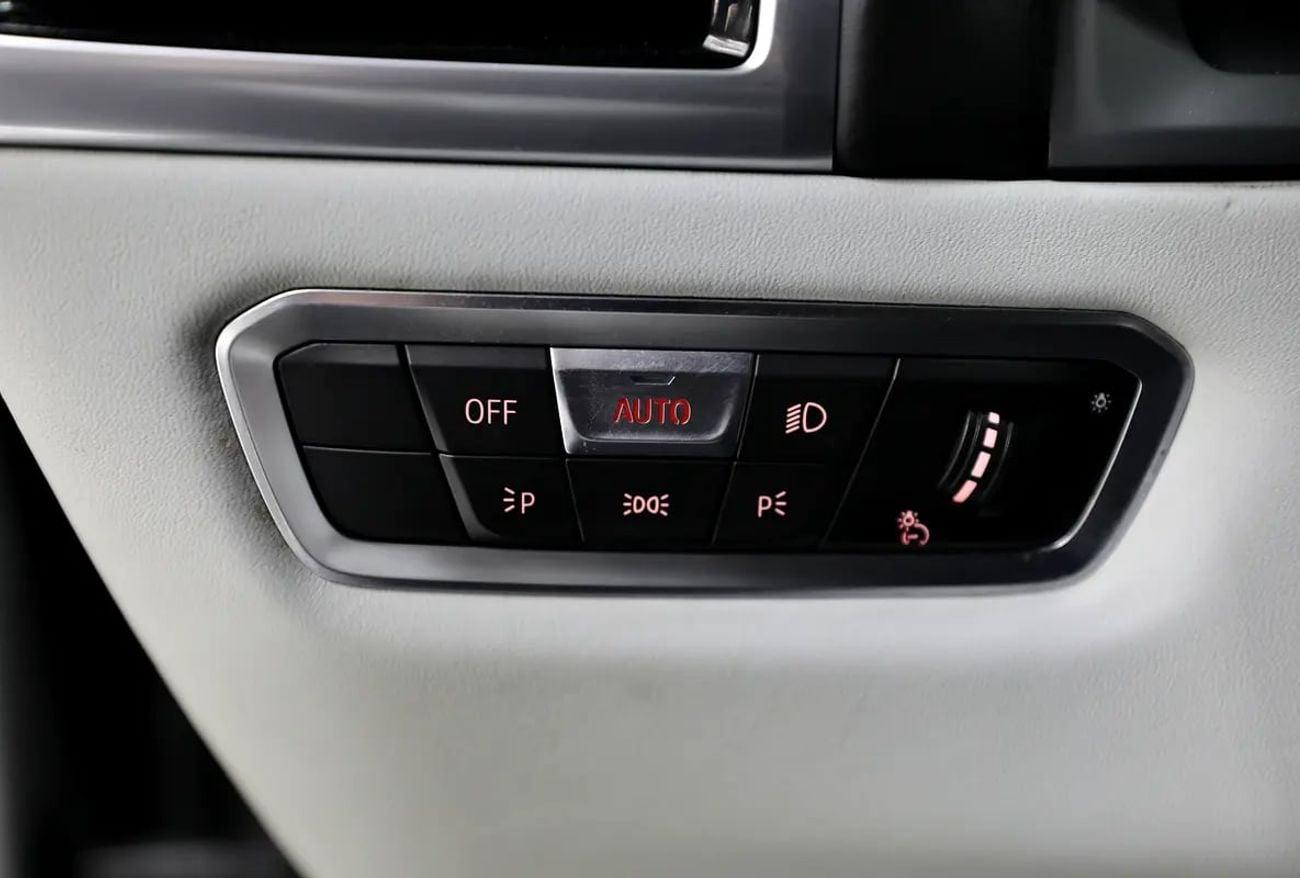
Switch off the ignition and electrical accessories as directed by the manuals.
Do not jump-start a swollen, leaking, frozen or visibly damaged battery.
Keep metal tools away from battery terminals and never allow clamps to touch each other.
Keep leads clear of fans, belts, hot surfaces and other moving components.
Stop immediately if you notice smoke, unusual heat, sparks beyond what the manual describes, or a strong unusual smell.
Jump-start cable order: quick reference
Many conventional 12V vehicles use positive-to-positive connections and an approved negative or earth point, but the correct order and connection points are not universal. Some vehicles have remote terminals or special instructions. Use the exact sequence in the vehicle and equipment manuals, even if it differs from a generic guide.
| Stage | General principle | Key caution |
|---|---|---|
| Identify connection points | Find the designated positive and negative/earth points in the manual. | Do not guess or assume the battery posts are always the correct points. |
| Connect the leads | Follow the specified order and attach clamps only to approved points. | Keep clamps apart and away from moving or metal parts. |
| Activate the equipment | Follow the vehicle or jump starter instructions and any required waiting period. | Do not rev engines or change the sequence unless the manual says to. |
| Disconnect the leads | Remove clamps in the specified sequence after the vehicle/equipment step is complete. | Prevent clamps from touching each other or other components. |
| Check afterwards | Arrange testing if the battery is old, repeatedly flat or warning signs remain. | A successful start does not prove the battery or charging system is healthy. |
Important: this table is only a high-level overview, not a connection diagram or a universal cable sequence. Follow the manual for the exact vehicle and equipment. If you cannot confidently identify the designated connection points, stop and call for assistance.
How to jump-start a car with jumper leads
The following steps explain the process at a high level. They do not replace the specific instructions supplied with your vehicle. Read the complete procedure before connecting any clamps.
Confirm that a jump-start is appropriate. Inspect the battery from a safe position and check the manual. Do not proceed if it is damaged, leaking, swollen or frozen, or if the vehicle manufacturer prohibits the procedure.
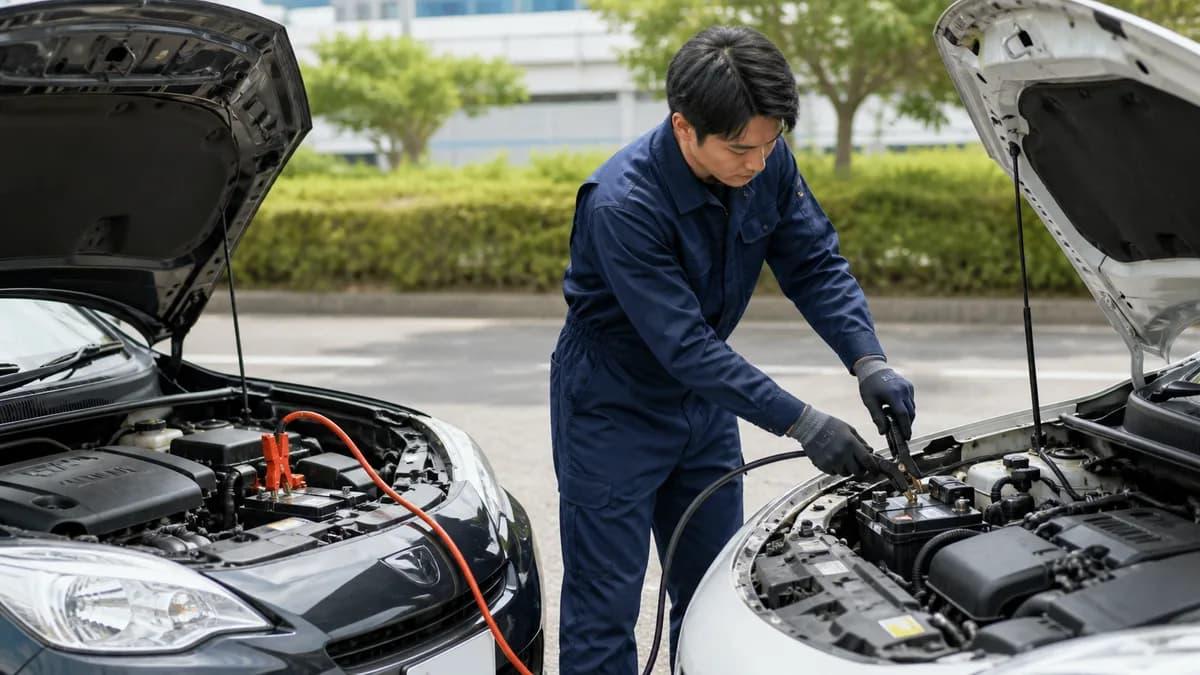
Position the vehicles safely. Park and secure them as the manuals direct. Make sure they do not touch, and keep people away from traffic and moving parts.
Locate the designated terminals. Use the manual to identify the correct positive and approved negative/earth connection points. Do not guess based on another vehicle’s layout.
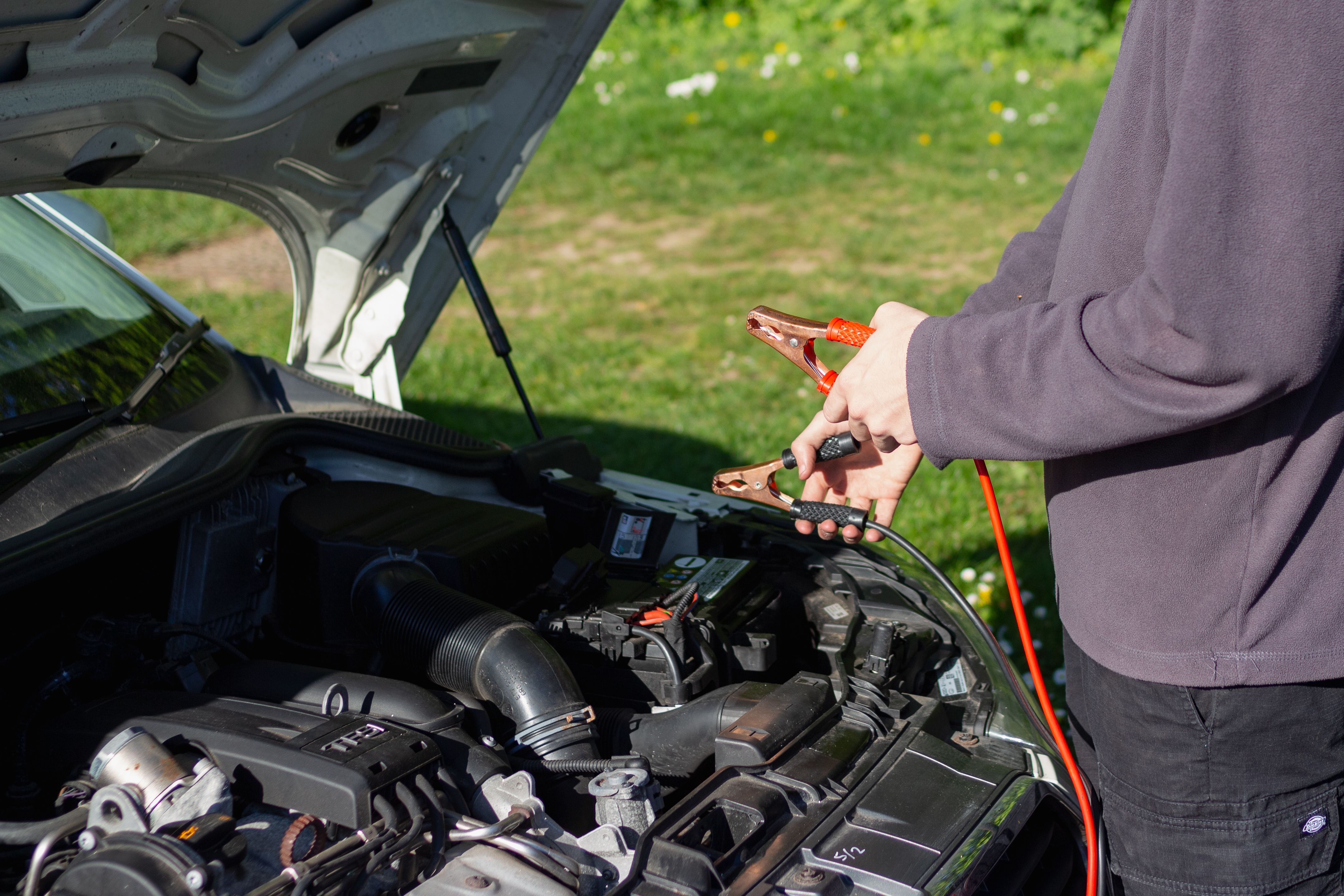
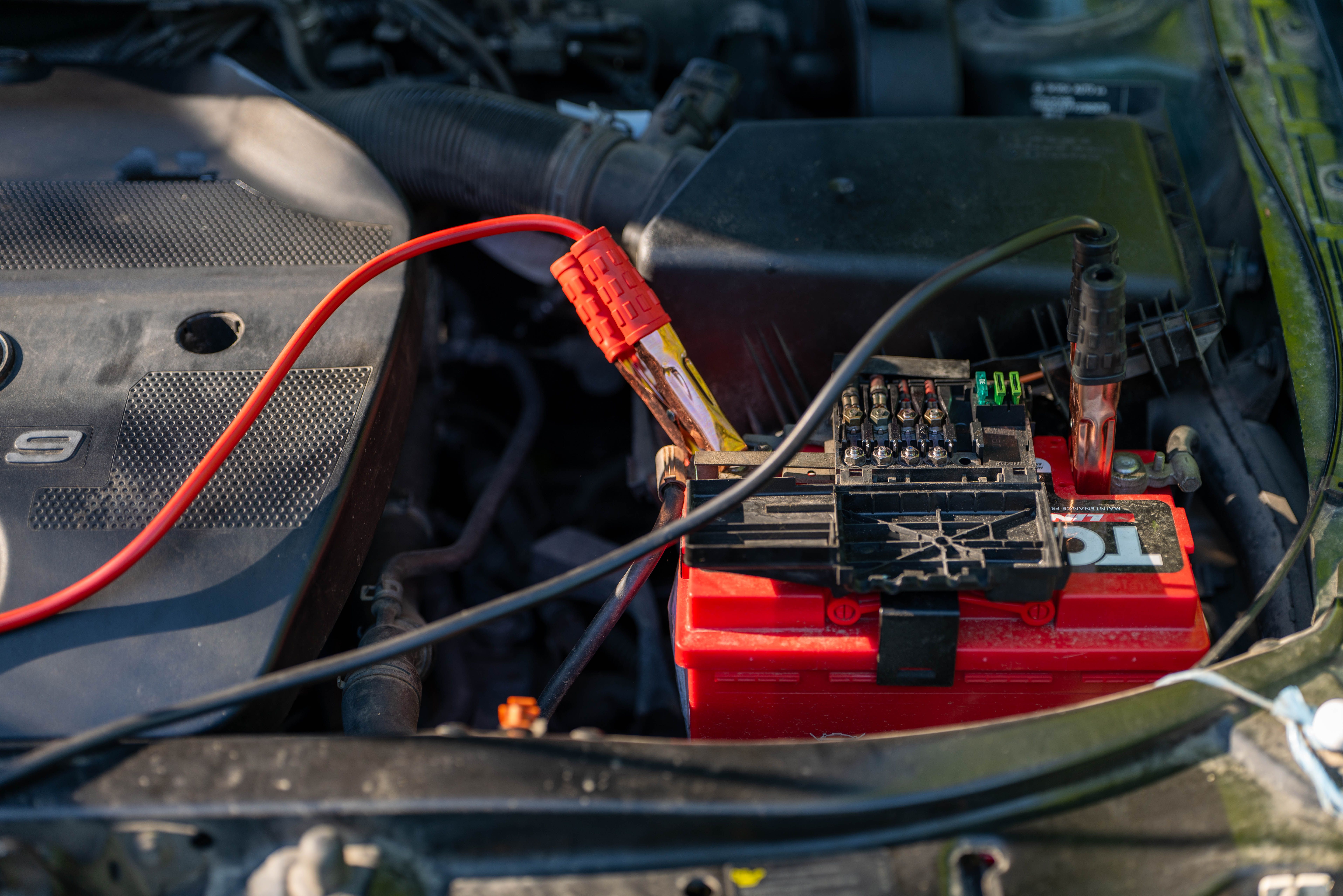
Connect the leads in the specified order. Attach the clamps only to the points listed in the manual. Keep them secure and separated, and keep cables clear of fans, belts and hot components.
Start or activate the vehicles/equipment as directed. Follow the exact sequence and any waiting times. Stop if the leads heat up, smoke appears or something seems wrong.
Disconnect in the specified sequence. Remove the clamps in the order directed by the manufacturer, taking care not to let them touch one another or moving parts.
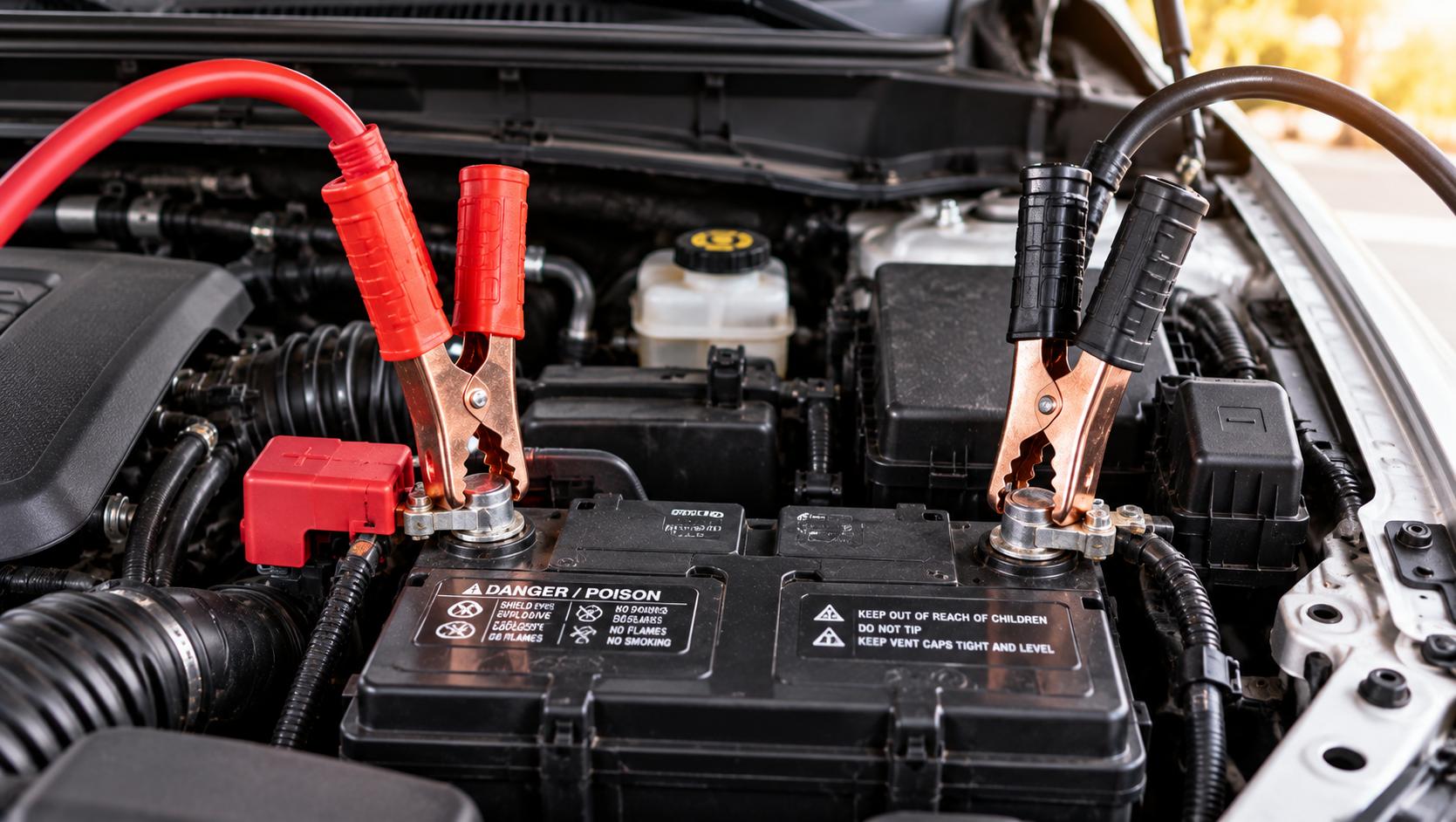
Check the underlying cause. If the vehicle starts, arrange battery and charging-system testing if the battery is old, has gone flat repeatedly or warning signs remain. Do not assume the problem has been permanently fixed.
Can you jump-start a car without another car?
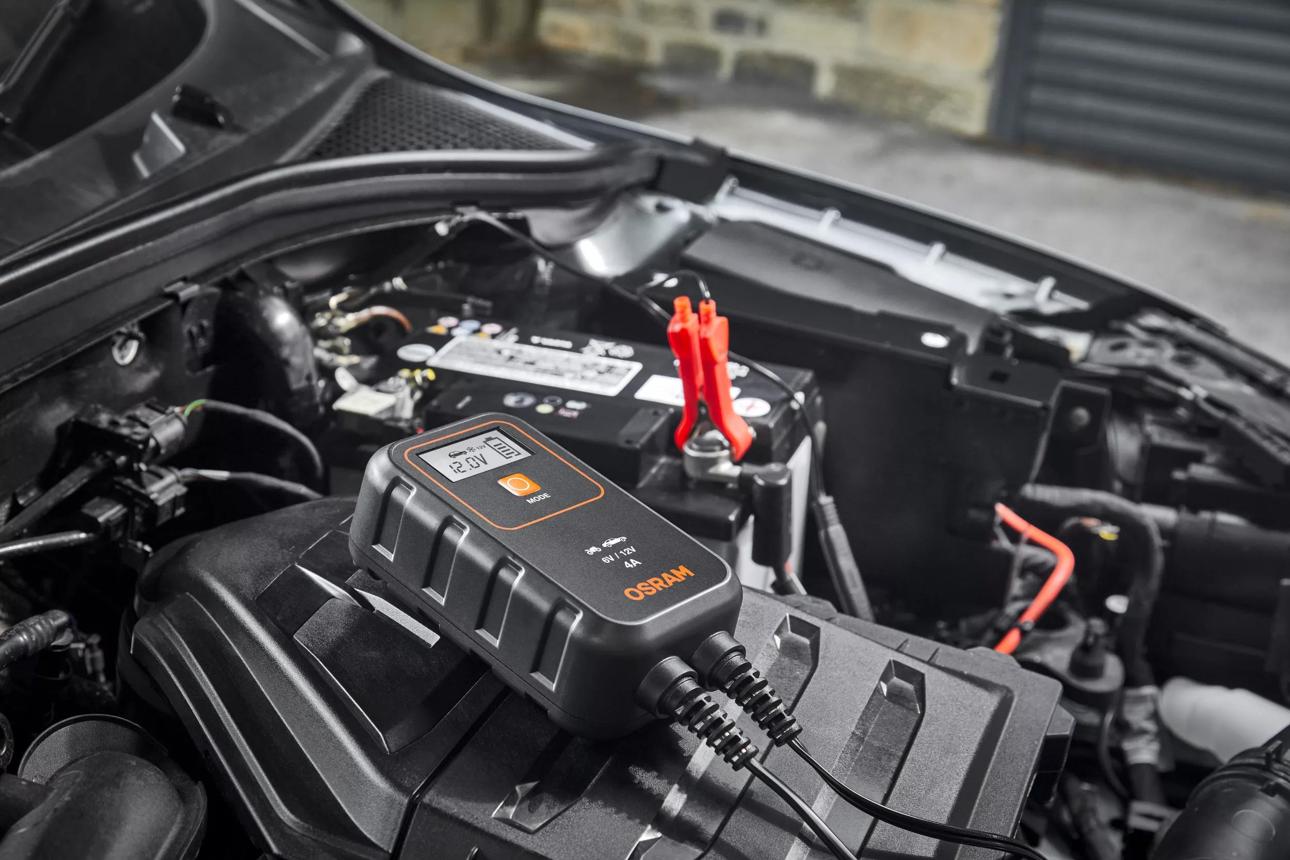
A compatible portable jump starter may be an option for a suitable discharged 12V battery. Check that the unit’s voltage and ratings are appropriate for the vehicle, read its instructions, and use only the connection points specified by the vehicle manufacturer. Some units include polarity or connection safeguards, but those features do not make every battery condition safe.
Do not use improvised power sources, guess at polarity or connect a portable unit to high-voltage components in a hybrid or electric vehicle. If the battery is damaged or the vehicle’s requirements are unclear, do not proceed.
What if the car still will not start?
If the engine does not crank after a correctly performed procedure, stop rather than making repeated attempts. The battery may be unable to hold charge, the terminals or cables may have a problem, or the starter circuit may need diagnosis. A technician can test the relevant components instead of relying on guesswork.
If the engine cranks at its usual speed but does not start, the cause may be unrelated to the 12V battery. Fuel delivery, ignition, engine management or a security-system issue can produce a no-start condition. In that situation, another jump-start may not help.
If the car starts but goes flat again soon afterwards, arrange a battery and charging-system check. A repeated flat battery can indicate an ageing battery, a charging fault or an electrical drain. Testing helps identify what needs attention.
Special care for hybrids and modern vehicles
Some hybrids and modern vehicles use remote 12V connection points and model-specific procedures. The location and sequence can differ even between vehicles from the same manufacturer. Use the owner’s manual for the exact make, model and year, or contact a qualified technician who can confirm the correct procedure.
Never attempt to jump-start the high-voltage traction battery, touch orange high-voltage cables or guess at high-voltage connection points. This guide applies only to suitable 12V jump-start situations. If the vehicle is a hybrid or EV and you are unsure, arrange qualified assistance.
When should you call for professional help?
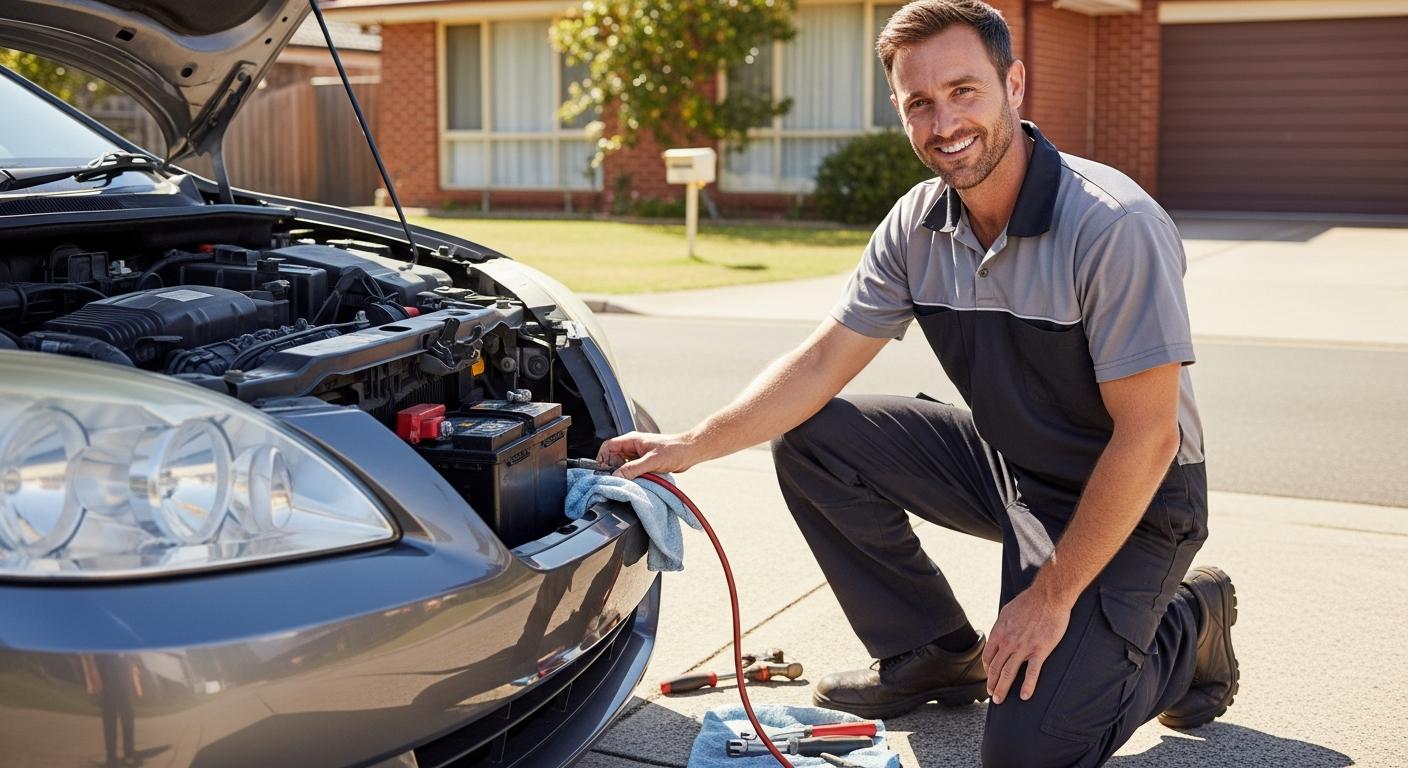
Professional assistance is the safer choice if the battery is damaged, the correct terminals are unclear, the manual’s instructions are confusing, the cables become hot, smoke appears, or the vehicle still will not start. It is also sensible when the car repeatedly loses charge, warning lights remain on, or you suspect a fault beyond a discharged battery.
When requesting help, share the make, model, year, your location and what happens when you attempt to start the car. Mention any warning messages and whether the vehicle has already been jump-started. These details can help the provider assess the situation and confirm whether they can assist.
Related services in Melbourne West
If your vehicle will not start, Car Battery Service can discuss battery testing, battery replacement or jump-start assistance, subject to your location, vehicle and current service availability. If you are unsure whether the battery is responsible, start with the battery testing service. If a replacement is appropriate, review the car battery replacement service. For a suitable discharged 12V battery, you can also ask about jump-start assistance. Confirm availability and vehicle suitability before relying on a call-out.
You can request a service to discuss your vehicle and location. Call +61 467 037 886 or email mechanicnearyoubatteries@gmail.com to enquire about service availability and the appropriate next step.
Frequently asked questions
What is the correct order for jump-start cables?
The correct order depends on the vehicle and equipment. Many conventional 12V vehicles use positive connections followed by an approved negative or earth point, but always follow the exact manual for both vehicles and the jump starter. Do not use a generic sequence if the manual gives different instructions.
Can I jump-start a car without another car?
A compatible portable jump starter may help with a suitable discharged 12V battery. Check the unit’s ratings and follow both the vehicle and jump starter instructions. Do not use it on a damaged or unsafe battery.
Should the negative cable go directly on the flat battery?
Not always. Many vehicles specify an approved earth point away from the battery, while others have particular connection requirements. Follow the owner’s manual rather than choosing a point yourself.
Can I jump-start a swollen or leaking battery?
No. Do not touch or jump-start a swollen, leaking, frozen or visibly damaged battery. Keep clear and arrange professional assistance.
Why does my car go flat again after a jump-start?
The battery may be worn or unable to hold charge, or the vehicle may have a charging fault or electrical drain. Arrange battery and charging-system testing to help identify the underlying cause.
Is jump-starting a hybrid different?
It can be. Some hybrids have designated 12V jump points and model-specific procedures. Never work on the high-voltage battery or orange cables; follow the exact manual or call a qualified technician.
Before you try again
A jump-start should only be attempted when the vehicle manufacturer permits it, the battery is safe to use and the correct equipment and connection points are known. If anything is unclear, avoid guessing. Professional assistance can help prevent injury, electronic damage and repeated unsuccessful starting attempts.
Jump-starting can cause injury or vehicle damage if performed incorrectly. Follow the vehicle and equipment manufacturers’ instructions; if uncertain, use professional assistance.