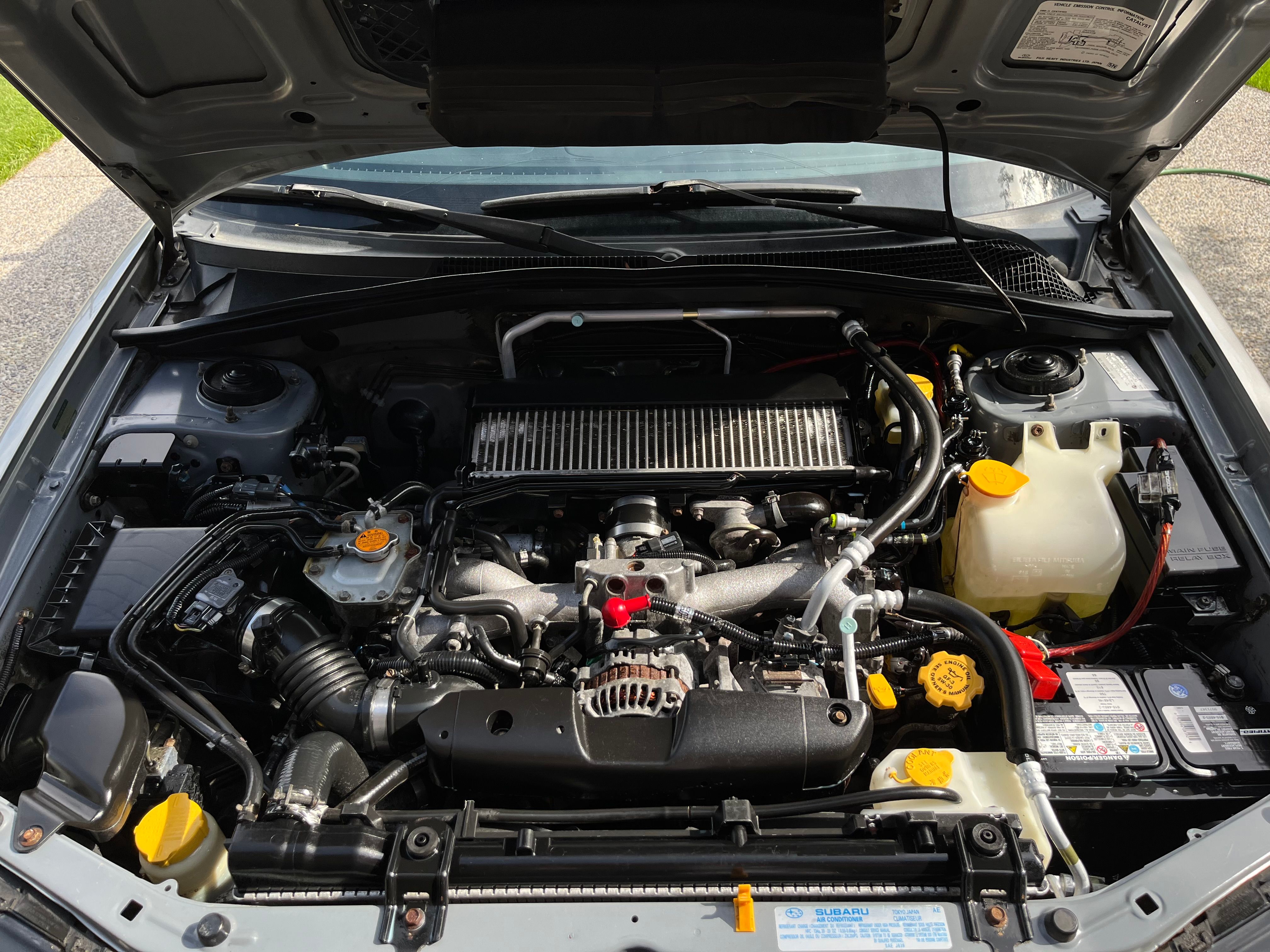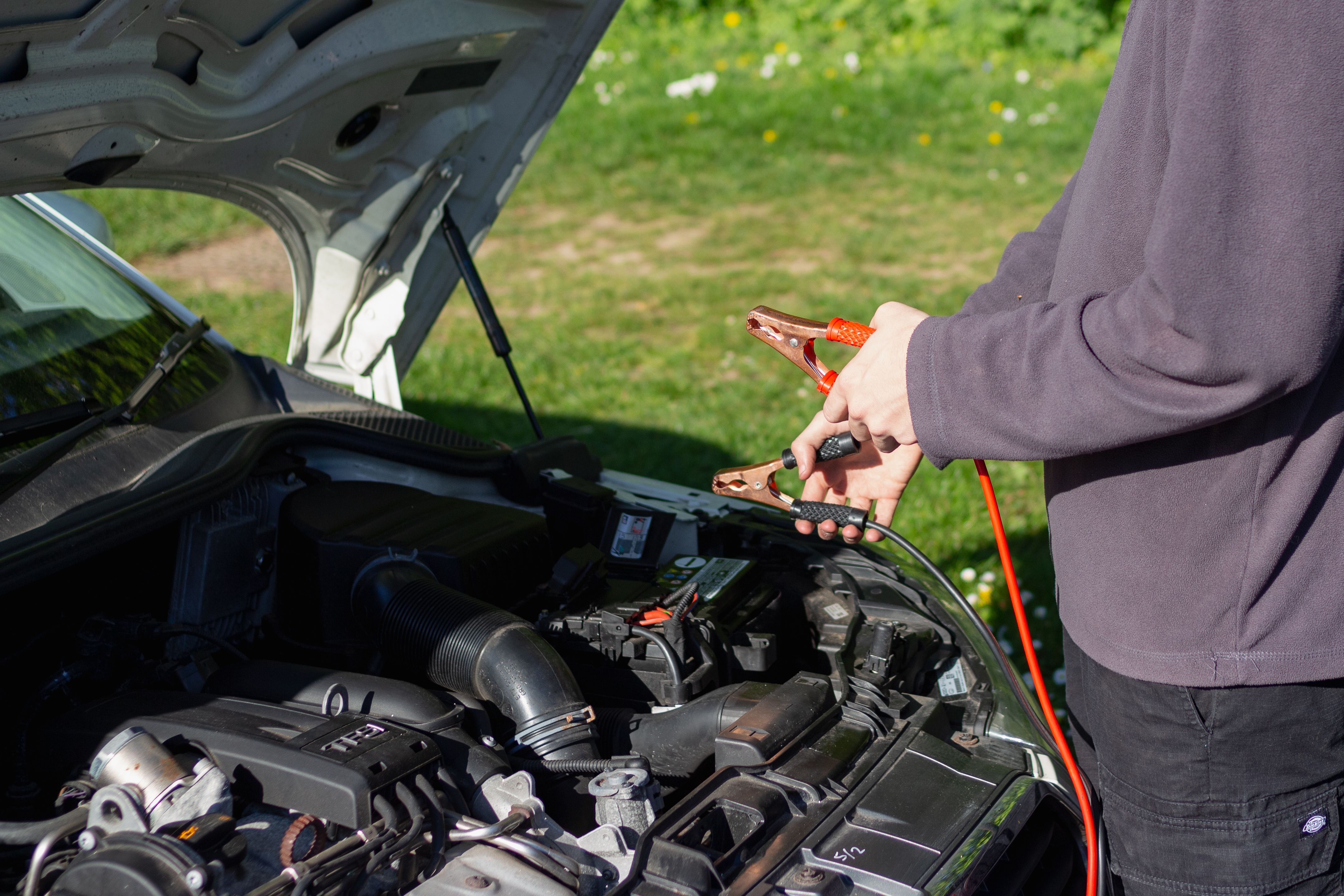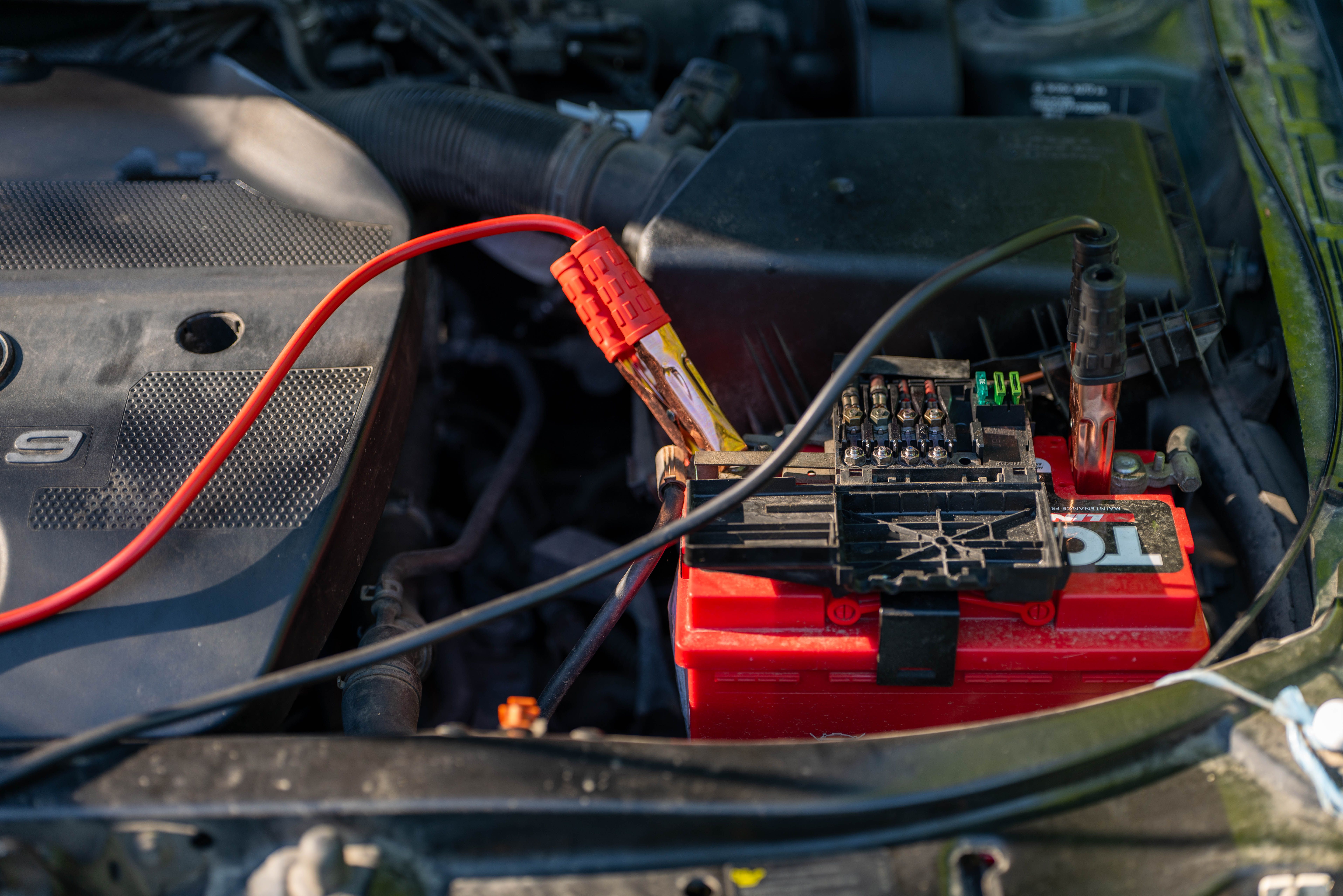
There is no single driving time that guarantees a car battery will be fully recharged after a jump-start. The result depends on how deeply the battery discharged, its condition, the vehicle's charging system, temperature and electrical demand. A jump-start is primarily intended to help start the vehicle—not to prove the battery is healthy or fully charged.
If the battery warning light stays on, the engine runs abnormally, lights begin dimming or the vehicle shows other serious warnings, stop somewhere safe and arrange assistance. Do not rely on a long drive to compensate for a possible charging-system fault.
Does driving recharge a car battery?
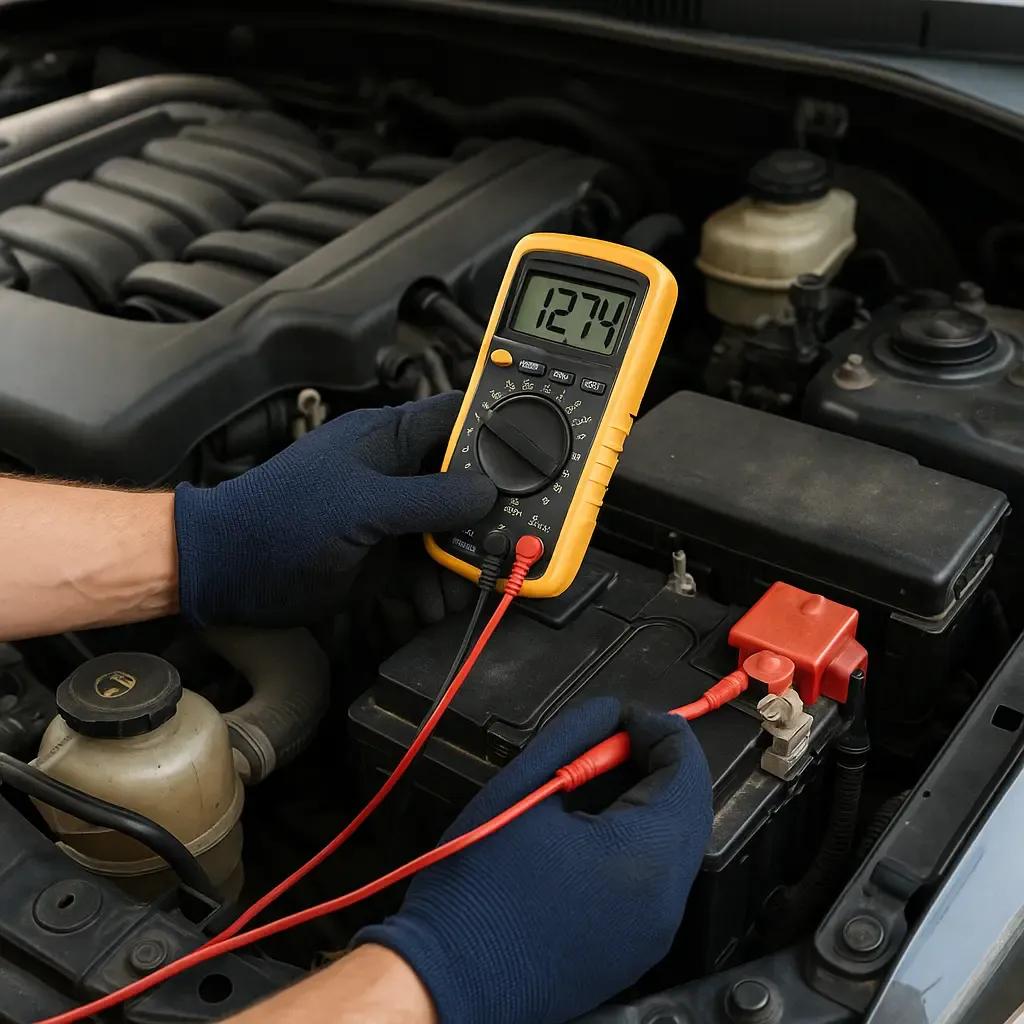
In many conventional vehicles, the charging system replenishes the 12-volt battery while the engine runs. However, the amount of charge restored varies. Short journeys, heavy electrical loads, smart charging strategies and a deeply discharged or ageing battery can all affect the result. Some vehicles use charging systems that deliberately vary output, so a simple rule based on minutes or kilometres is unreliable.
| Situation after a jump-start | What it may mean | Best next step |
|---|---|---|
| Vehicle starts and runs normally | The battery may still be undercharged | Follow the handbook and consider a suitable charger or battery test |
| Battery warning light remains on | Charging system may not be replenishing the battery correctly | Stop safely if appropriate and arrange charging-system diagnosis |
| Car starts but goes flat again soon | Battery may be worn or an electrical drain may remain | Test battery, charging system and possible parasitic draw |
| Engine cranks slowly after a drive | Battery may not have recovered or may be failing | Arrange a battery health and connection check |
| Vehicle has start-stop or smart charging | Charging behaviour may be vehicle-specific | Use the manufacturer's instructions and compatible equipment |
Is idling enough to recharge the battery?
Idling may provide some charging on some vehicles, but it is not a dependable substitute for a proper recharge. Charging output can vary with engine speed, vehicle design and electrical load. Running the engine in an enclosed garage is dangerous because exhaust gases can cause fatal carbon-monoxide poisoning. Never idle in an enclosed or poorly ventilated space.
Do not leave a vehicle running unattended or use extended idling as a universal battery-recovery method. Follow the owner's manual and use a suitable battery charger when recommended.
What affects how quickly a battery recovers?
| Factor | Why it matters | What to consider |
|---|---|---|
| Depth of discharge | A heavily discharged battery generally needs more energy restored | Arrange suitable charging rather than assuming a short drive is enough |
| Battery age and health | A worn battery may accept charge but lack starting capacity | Test battery condition if it is old or the problem repeats |
| Charging-system performance | A fault may prevent the battery receiving the intended charge | Investigate warning lights and repeated discharge |
| Electrical loads | Lights, demisters, fans and accessories use electrical power | Use only necessary equipment, without compromising visibility or safety |
| Temperature and vehicle design | Battery behaviour and charging strategy vary | Follow vehicle and battery-maker guidance |
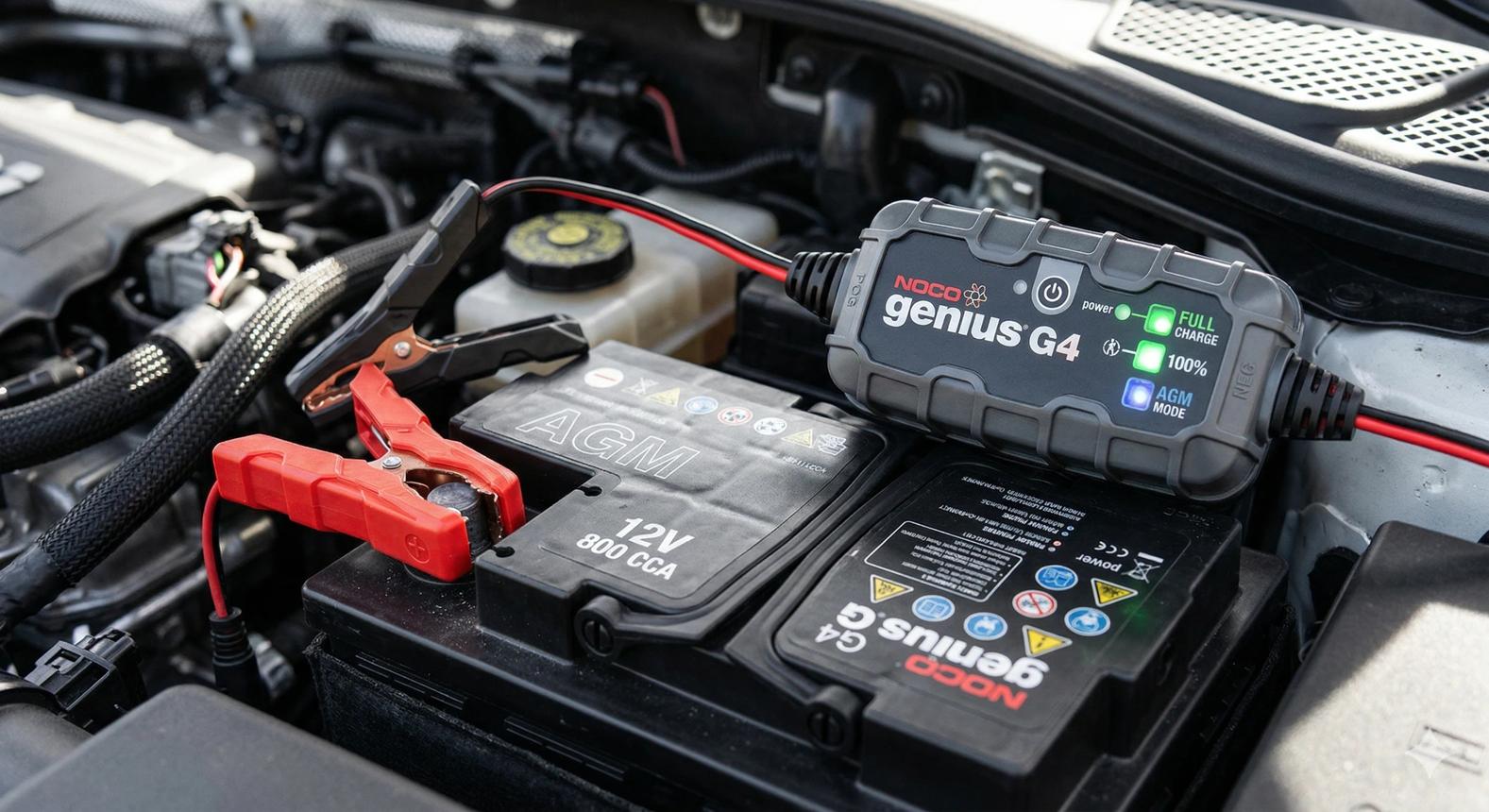
Should you use a battery charger instead?
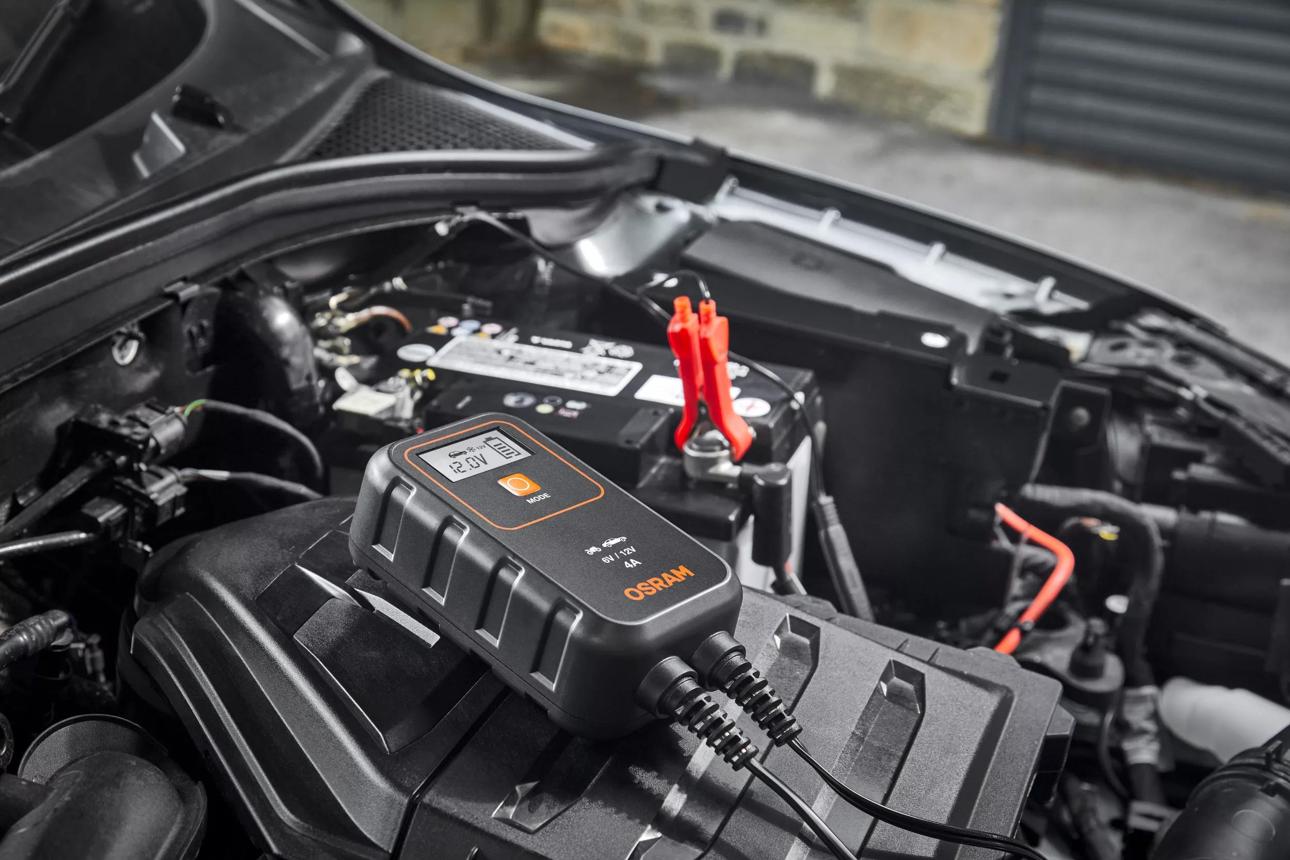
A compatible smart charger can be a more controlled way to recharge a discharged battery, provided the battery is safe to charge and the equipment suits its chemistry and capacity. Follow all charger and vehicle instructions. Some vehicles have battery-management systems or designated charging points that must be used.
Do not charge a swollen, cracked, leaking, frozen or visibly damaged battery. Stop and seek help if the battery becomes unusually hot, smells strongly or behaves abnormally. If you are unsure how to connect equipment, arrange professional assistance.
When should you get the battery tested?
| Sign | Why testing helps | Possible checks |
|---|---|---|
| Battery has needed several jump-starts | Repeated discharge can indicate a failing battery or another fault | Battery health, charge and charging-system checks |
| Car goes flat while parked | An accessory or circuit may draw power when the vehicle is off | Parasitic-current diagnosis after vehicle modules enter sleep mode |
| Warning light while driving | Charging may be interrupted | Charging output, connections and related components |
| Slow cranking returns | Battery may not hold enough charge or connections may be poor | Starting-capability and terminal checks |
If your battery keeps going flat overnight, read our guide to common causes of overnight battery drain. If a dashboard warning appears while driving, see what the battery light means. For safe jump-start procedures, visit our step-by-step jump-start guide.
Battery support in Melbourne West
Car Battery Service can discuss battery testing, battery replacement and jump-start assistance, depending on your vehicle, location and availability. Check our service areas or request a service.
Call +61 467 037 886 or email mechanicnearyoubatteries@gmail.com. Tell the team what happened before the jump-start and whether the car has gone flat more than once.
Frequently asked questions
How long should I drive after jump-starting a car?
There is no guaranteed time. Recharge depends on battery condition, discharge level, vehicle charging strategy and electrical demand. Follow the owner's manual and arrange suitable charging or testing when needed.
Will idling recharge a flat battery?
It may restore some charge on some vehicles, but idling is not a reliable way to fully recharge a deeply discharged battery. Never run an engine in an enclosed or poorly ventilated area.
Can I switch the car off immediately after a jump-start?
The vehicle may restart or it may not; a jump-start does not establish that the battery has recovered. If possible, follow manufacturer guidance and arrange suitable charging or testing rather than relying on repeated starts.
Why did my battery go flat again after driving?
The battery may be worn, the charging system may be faulty, or an electrical circuit may be drawing power while parked. Diagnosis helps identify the cause.
Is a battery charger better than driving?
A compatible charger can provide a more controlled recharge when used according to its instructions. Check the battery condition and vehicle requirements before charging.
Does a jump-start mean I need a new battery?
No. A discharged battery may recover, but a health test can show whether it can reliably start the vehicle and retain charge.
Final takeaway
Driving after a jump-start may restore some battery charge, but no fixed journey guarantees a full recharge. If the battery was deeply discharged or the issue repeats, use suitable charging and arrange battery and charging-system checks.
This article is general information only. Follow vehicle-specific instructions and seek qualified assistance if unsure.