If you left your headlights or interior lights on, the battery may have lost enough charge that the engine will not start. In many cases, a suitable recharge or jump-start can help, but repeated deep discharge can damage a battery or reveal an existing battery or charging-system problem.
Start with safety. Park away from moving traffic, apply the parking brake and switch off electrical accessories. If the battery is swollen, cracked, leaking, unusually hot or giving off a strong rotten-egg smell, do not jump-start or charge it; keep clear and arrange qualified assistance.
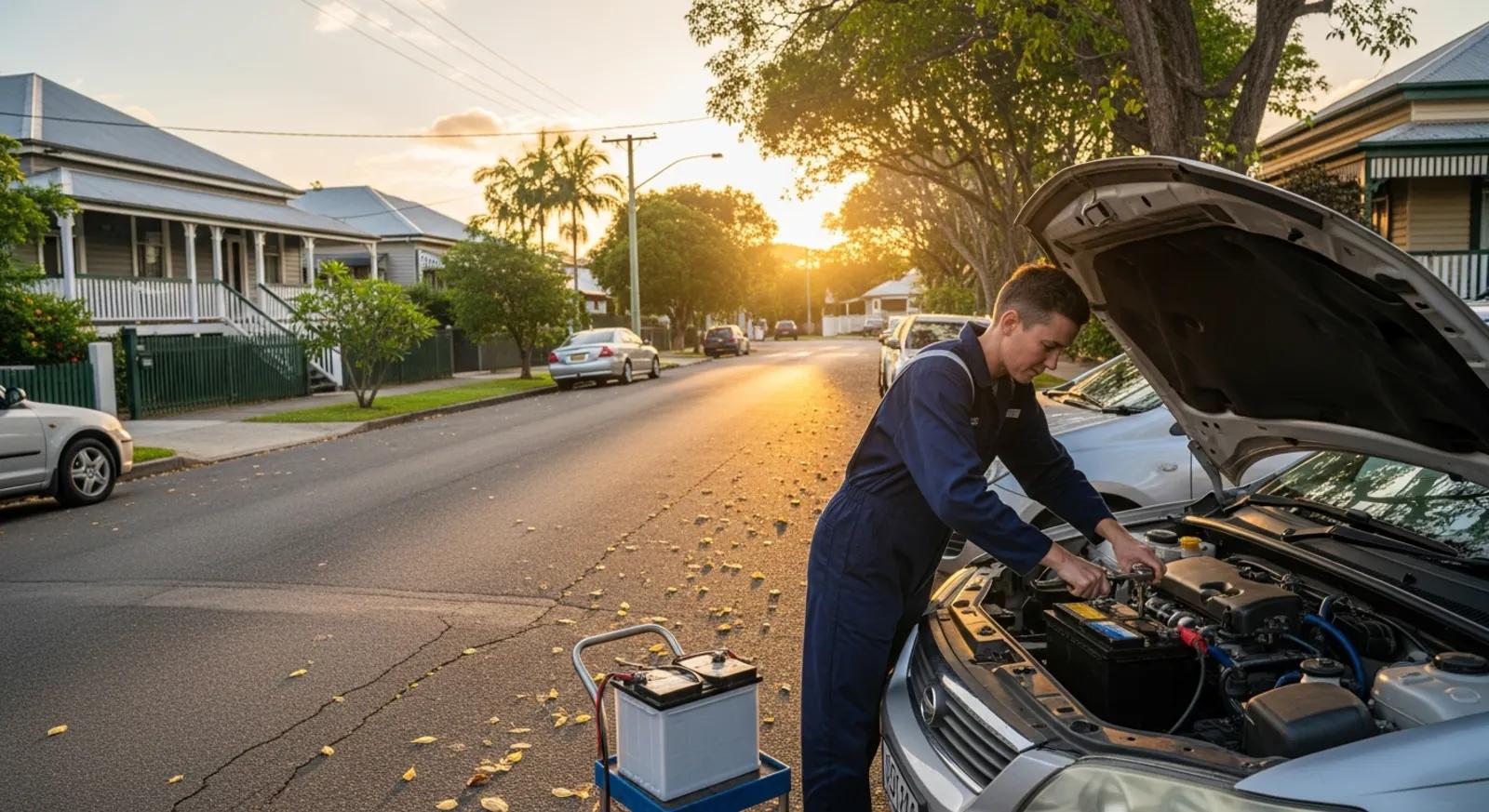
What happens when lights are left on?
Headlights, cabin lights and some accessories draw power from the 12-volt battery while the engine is off. If they remain on long enough, the battery may not have enough energy left to crank the engine. The outcome depends on the battery's age and condition, the lights involved, how long they stayed on and the vehicle's electrical design.
| What you notice | What it may mean | Practical next step |
|---|---|---|
| Rapid clicking when turning the key | Battery voltage may be too low to operate the starter | Check for obvious lights left on and arrange a safe battery assessment |
| Slow cranking | Low charge, battery wear or poor connections | Test the battery and inspect connections safely |
| Dashboard lights are dim or reset | Low system voltage may be affecting electronics | Follow the vehicle handbook and seek assistance if needed |
| No response at all | Battery may be deeply discharged, or another electrical fault may exist | Do not assume the battery is the only possible cause |
| Car starts after a jump but later goes flat again | Battery may not hold charge, or a charging/drain issue may remain | Arrange battery and charging-system testing |
What should you do first?
Switch off the headlights, cabin lights, radio and other accessories.
Check the vehicle handbook for the correct jump-start points and any model-specific instructions.
Inspect the battery visually from a safe position. Do not touch a damaged, leaking, swollen or unusually hot battery.
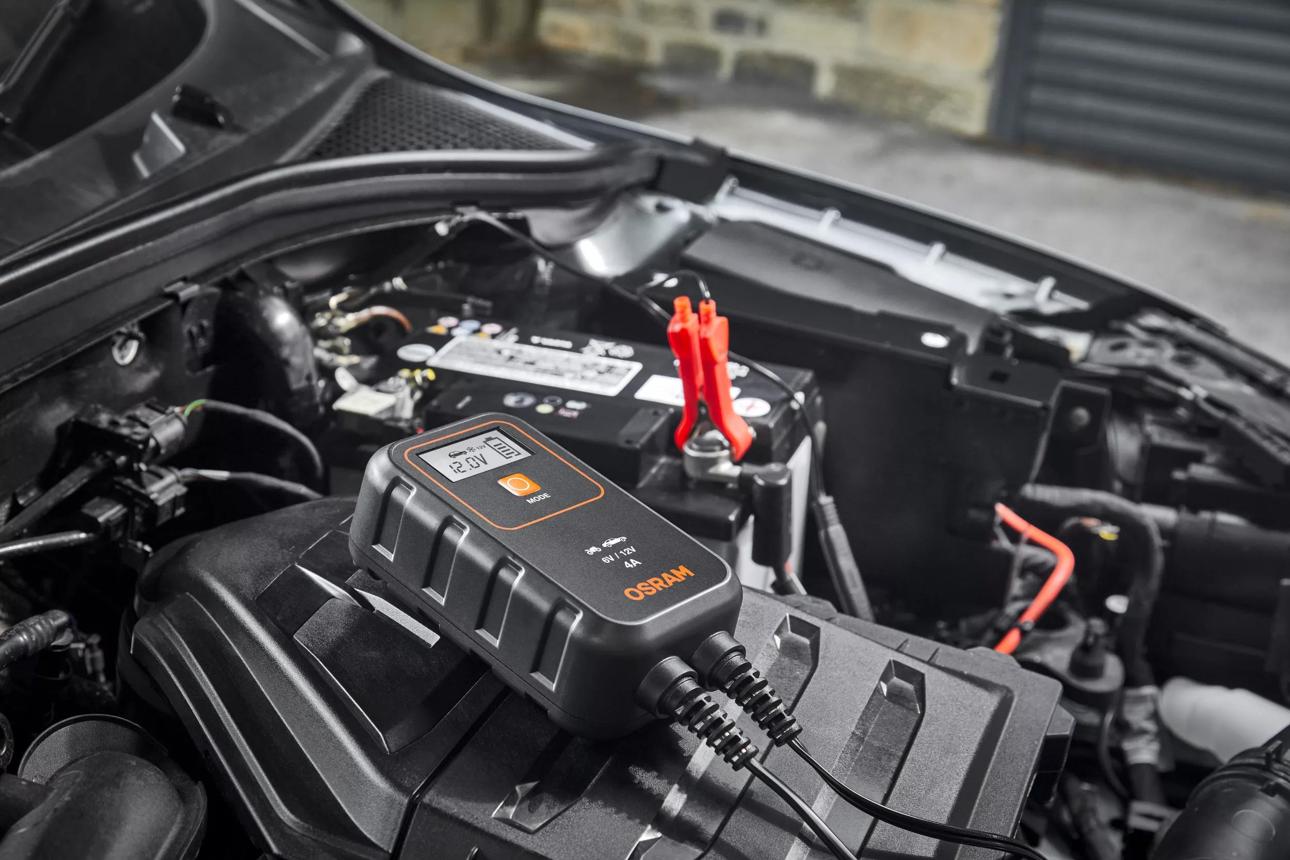
If you are not confident using jumper leads, use a suitable jump starter according to its instructions or call for assistance.
After the car starts, arrange testing if the battery was deeply discharged, is old or the problem happens again.
Can you jump-start a car after leaving the lights on?
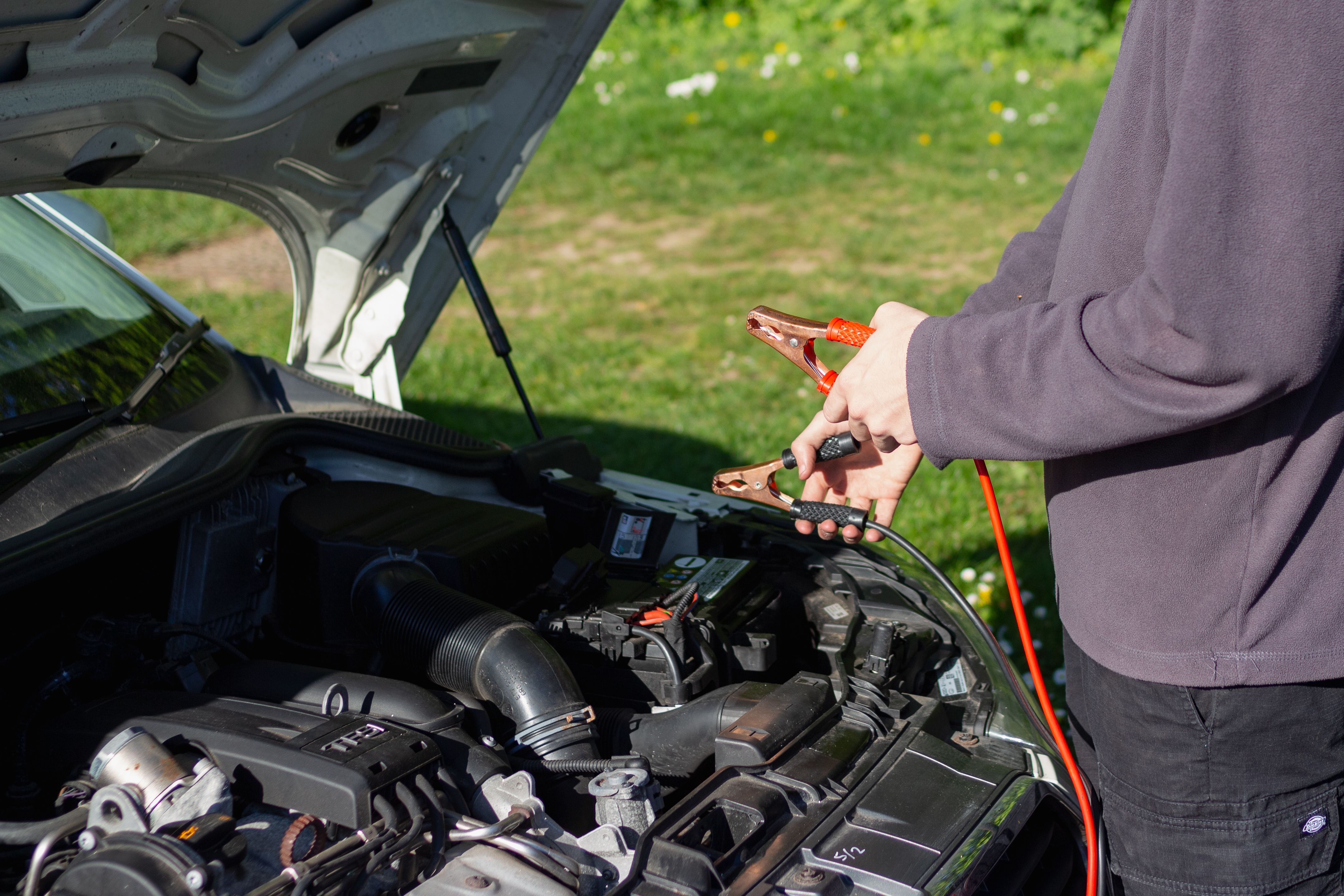
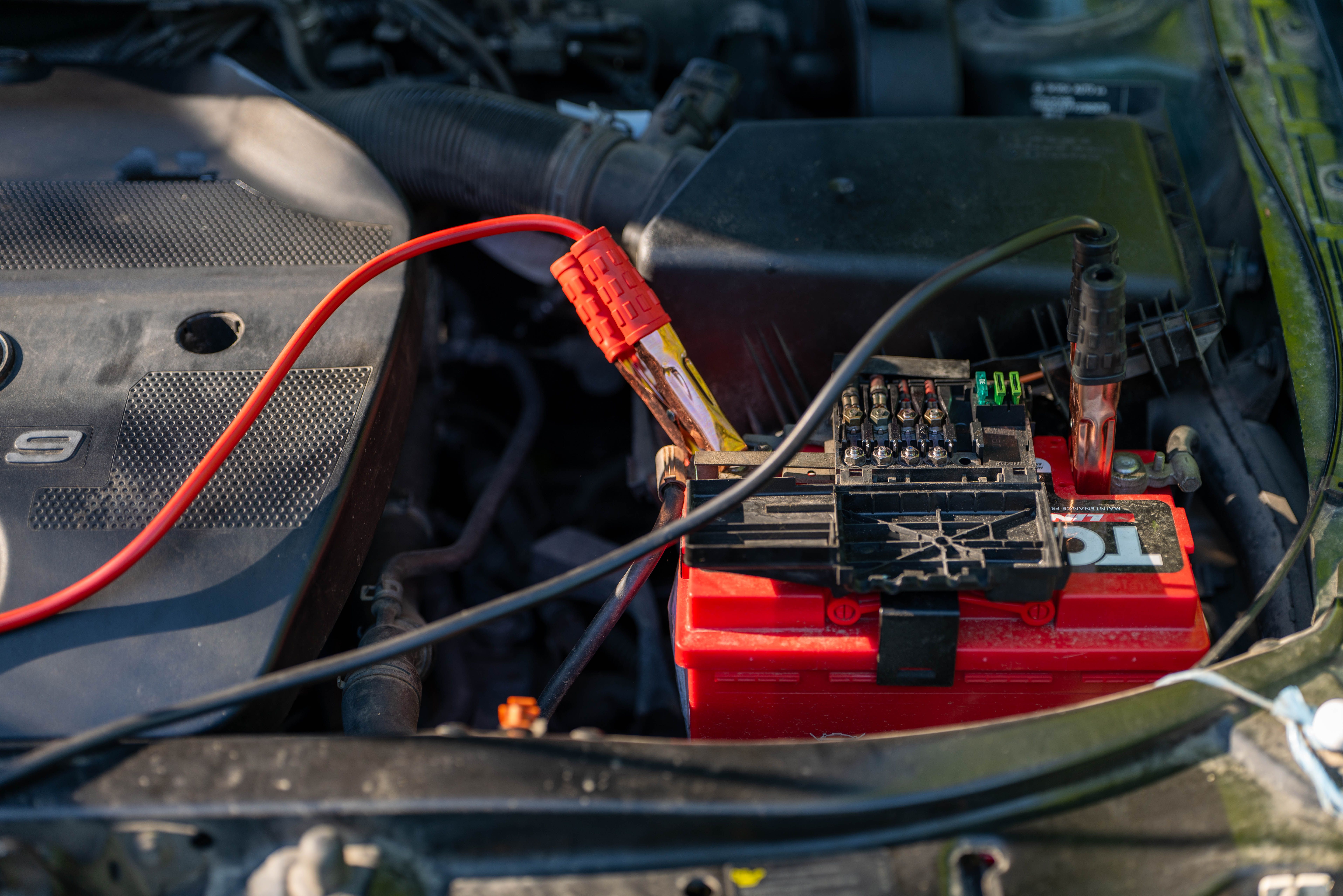
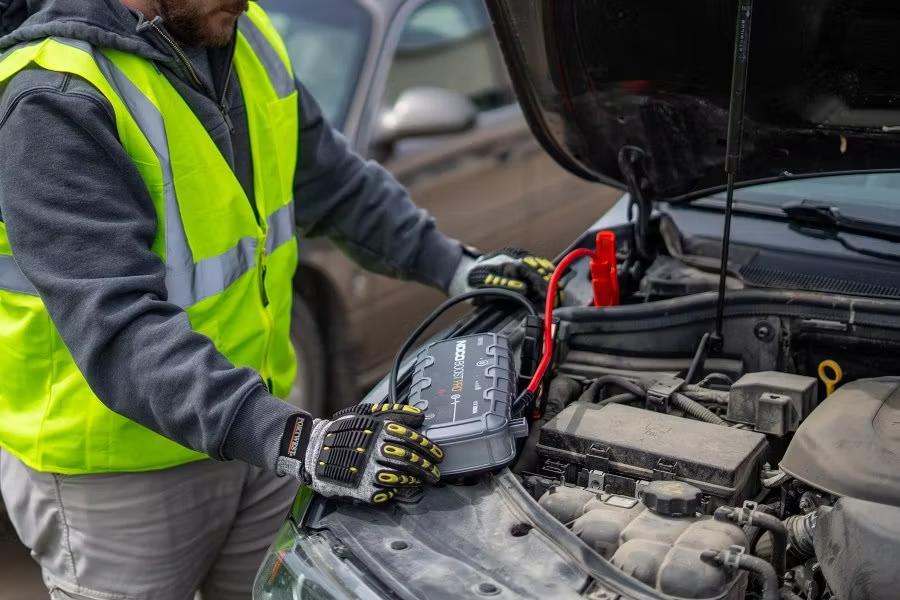
A jump-start may help if the battery is simply discharged and the battery and vehicle are otherwise suitable for the procedure. It is not appropriate for every vehicle or every battery condition. Follow the owner's manual and the jump-starter or jumper-lead instructions, including the specified connection points and sequence. Incorrect connections can cause injury or damage vehicle electronics.
Never allow clamps to touch each other, keep leads away from moving parts, and do not jump-start a battery that is visibly damaged. Some vehicles have designated remote jump points and require special procedures. If the instructions are unclear, get professional help rather than improvising.
Read our detailed guide to how to jump-start a car safely before attempting a jump-start.
Will the battery be damaged by leaving lights on?
One discharge does not automatically mean the battery must be replaced. A healthy battery may recover after suitable charging, but a deep or repeated discharge can reduce battery life and starting performance. An ageing battery may also fail after an incident that a newer battery could tolerate.
| Battery situation | What may happen | Recommended check |
|---|---|---|
| Healthy battery, one brief discharge | May recover after correct charging | Confirm it starts reliably and test if symptoms continue |
| Battery was deeply discharged | May take longer to recharge and may have reduced capacity | Use a compatible charger or arrange a professional assessment |
| Older battery with previous slow starts | May struggle to recover or hold charge | Battery health and starting-capability test |
| Battery repeatedly goes flat | Another drain or charging fault may be present | Check battery, charging system and electrical draw |
How to prevent it happening again
Confirm the headlights and cabin lights switch off before leaving the vehicle.
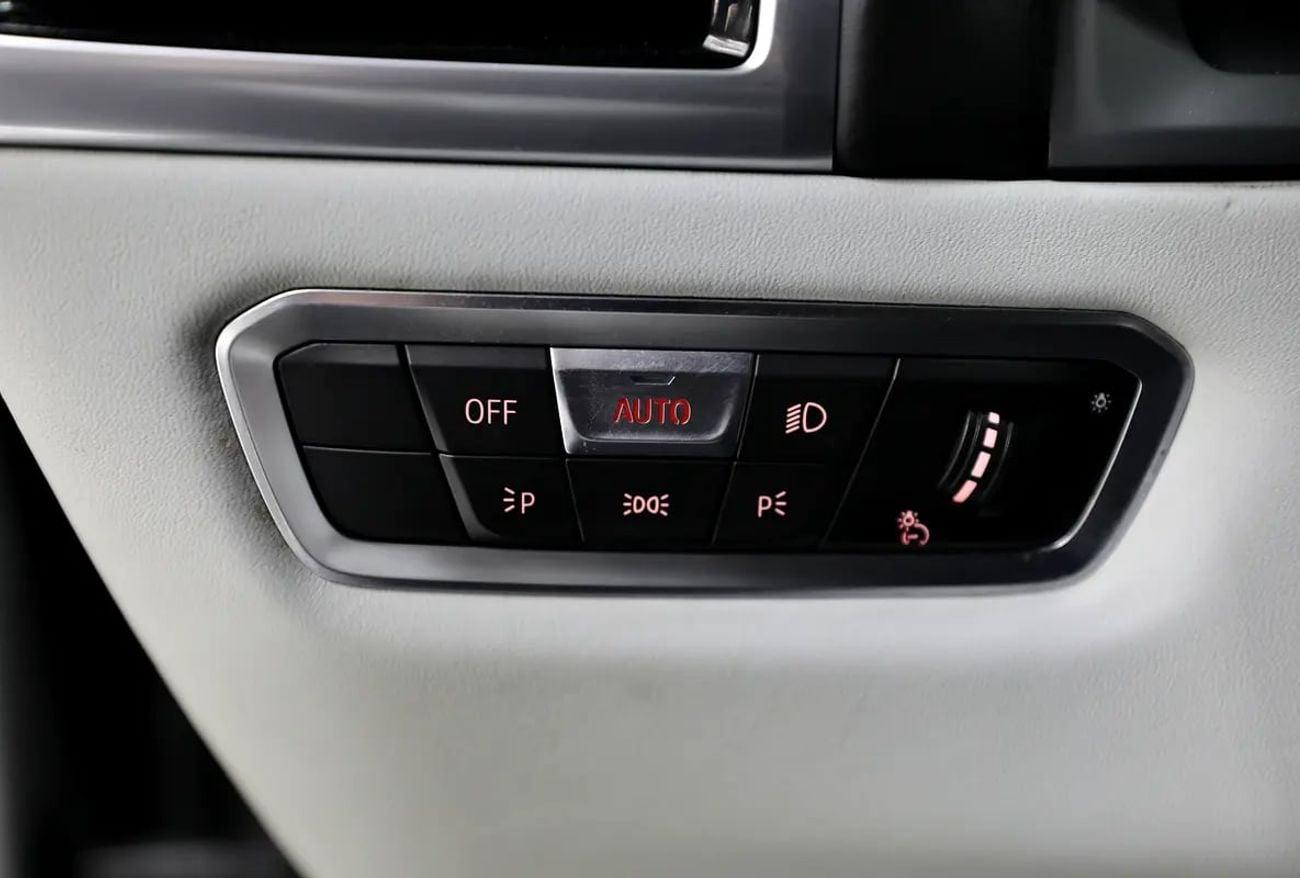
Learn how your car's automatic headlight setting works; do not assume every light switches off immediately.
Check aftermarket accessories such as dash cams for suitable low-voltage protection and correct installation.
If the car sits unused for long periods, follow the manufacturer's battery-maintenance guidance.
If the battery goes flat again, investigate the cause instead of relying on repeated jump-starts.
Battery help in Melbourne West
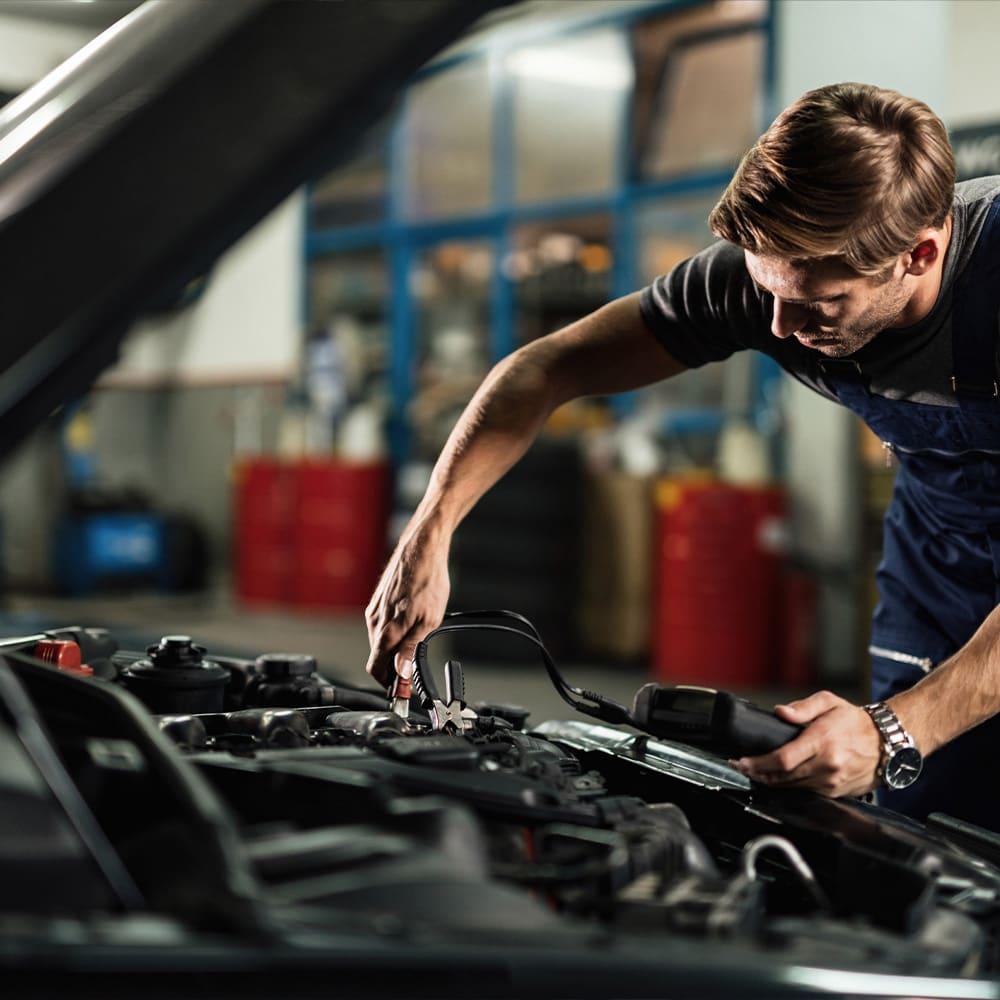
Car Battery Service can discuss battery testing, battery replacement and jump-start assistance, depending on your vehicle, location and availability. Check our service areas or request a service.
Call +61 467 037 886 or email mechanicnearyoubatteries@gmail.com. Explain that the lights were left on, whether the car has been jump-started and whether it has gone flat before.
Frequently asked questions
Will leaving headlights on overnight kill a car battery?
It can discharge the battery enough to prevent starting. The result depends on the battery's condition, the lights and how long they remained on.
Should I replace the battery after leaving the lights on?
Not automatically. If the battery recovers and passes suitable testing, replacement may not be needed. A battery that cannot hold charge or fails testing may need replacement.
How long should I drive after jump-starting?
There is no universal driving time that guarantees a full recharge. Read the vehicle handbook and arrange suitable charging or testing, especially after a deep discharge.
Can I jump-start a swollen or leaking battery?
No. Do not jump-start or charge a swollen, leaking, cracked, frozen or visibly damaged battery. Keep clear and seek qualified assistance.
Why did my car go flat again after a jump-start?
The battery may be worn or deeply discharged, the charging system may not be replenishing it, or an electrical accessory may be drawing power while parked. Testing can identify the likely cause.
Do interior lights drain the battery too?
Yes. Cabin lights and other electrical accessories can draw power while the engine is off. The effect depends on their power use and how long they remain on.
Final takeaway
Leaving lights on can flatten a car battery, but it does not automatically mean the battery is beyond recovery. Switch off accessories, follow vehicle-specific safety instructions and arrange battery testing if the car struggles again or the battery has been deeply discharged.
This article is general information only. Follow the vehicle and equipment manufacturer's instructions and seek qualified help if unsure.